


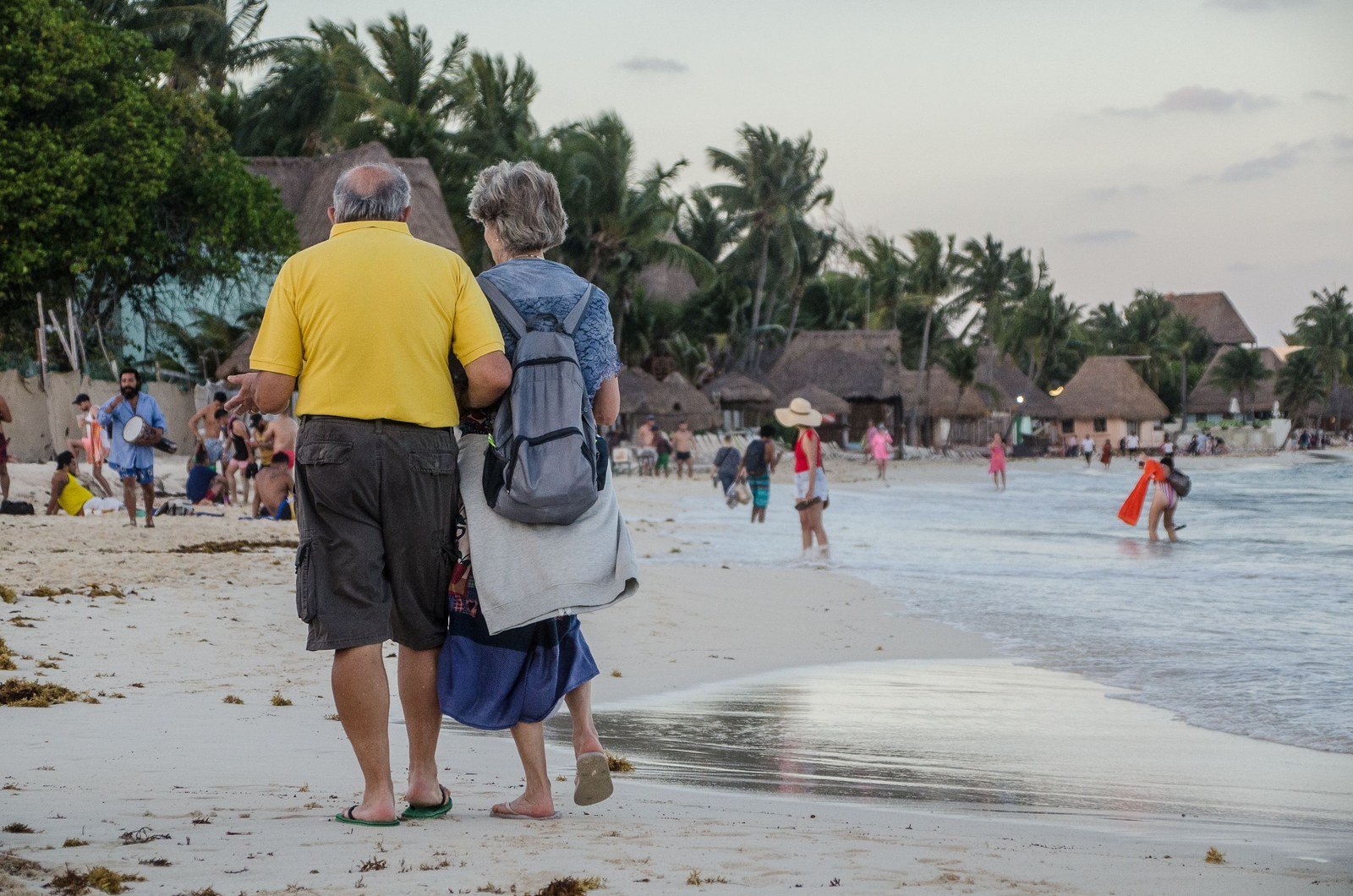
For years, my winter had a simple shape. Ottawa got cold, the snow piled up, and Florida did the rest. This year I am breaking the pattern, and I am clearly not alone. Choosing somewhere new felt exciting for about a day. Then the practical questions arrived, and the biggest one was travel insurance for snowbirds Canada style, because changing your destination quietly changes your whole coverage picture.
I have lived overseas and travelled hard enough to respect paperwork. The glamorous part of a long winter away is the beach. The part that protects you is a policy you actually understand. Here is the travel insurance for snowbirds Canada homework I did before booking anything.
The Winter Almost Nobody Is Spending in Florida
The shift this year is not a rumour. The Travel Health Insurance Association of Canada’s winter survey found that only 8 percent of Canadian Boomers are likely to visit the United States this winter. Before 2025, that figure was 31 percent. That is not a dip. That is a migration.
The travel numbers back it up. Statistics Canada recorded 7.1 million fewer Canadian visits to the United States in 2025 than in 2024. Meanwhile overseas travel rose, with Europe up 13.6 percent and Asia up 16.7 percent. Allianz Global Assistance Canada found Mexico and the Caribbean are now the leading international winter choice, picked by 24 percent of surveyed Canadians. Snowbird Advisor found snowbirds choosing international destinations at almost double the previous season’s rate.
I understand the pull. New places, new food, a winter that feels like an adventure again. But here is what nobody mentions at the dinner party. Your old Florida routine came with habits you built over years. A new country resets all of them, including your insurance assumptions.
A new destination does not just change your view. It changes your paperwork, your hospitals and your risks. Your policy has to travel as far as you do.
Why a New Destination Changes Your Coverage
Most snowbirds I know bought the same style of policy for a decade. Same state, same clinic down the road, same trip length. The policy became invisible, like a passport. The problem is that a policy written around one familiar routine may not fit a different country, a longer stay, or a different kind of trip. That is the heart of travel insurance for snowbirds Canada planning: the policy has to match the trip you are actually taking, not the one you took last year.
Trip length is the first trap. Snowbird policies are built around a set number of days. If your new plan stretches the season, even by a week of extra sunshine, your coverage dates must stretch with it. Being uninsured for the final days of a trip is a quiet and expensive accident.
Routing is the second trap. Many Canadians heading to Mexico, the Caribbean or Europe still pass through the United States on the way. If you get sick or injured during a stopover, you want to know whether your policy treats those hours as covered travel. I asked that question directly, and I suggest you do too.
The third trap is the familiar one: pre existing conditions. Most policies carry stability rules, meaning a condition must be unchanged and untreated for a set period before departure. A new destination does not reset those rules. It makes reading them even more important, because the nearest hospital is no longer the one you know.
My Travel Insurance for Snowbirds Canada Homework
I sat down with a coffee and worked through this list before any money moved. It took one afternoon, and it was the best spent afternoon of my trip planning.
- Emergency medical coverage amount. I confirmed the maximum the policy pays for hospital and doctor care outside Canada. Provincial health coverage pays only a small portion of foreign medical bills, so the policy does the heavy lifting.
- Exact covered dates. I matched the policy dates to my flights, with a cushion day on each end. Delays happen. Coverage should not end at the airport.
- Pre existing condition wording. I read the stability clause slowly, twice. If anything about my health changed recently, I wanted to know how the policy treats it before departure, not after a claim.
- Trips home in the middle. Many snowbirds fly home for holidays or family events. I checked whether a short trip home pauses, resets or ends the coverage.
- Stopover coverage. I confirmed the policy covers medical emergencies during connections, including connections inside the United States.
- Help in an emergency. I saved the insurer’s assistance number in my phone. Most policies require you to call before treatment when possible, and that call is hard to make from memory in a hospital corridor.
- The house I leave behind. A home sitting empty for months has its own insurance conditions, so it is worth checking what your policy expects before you lock the door.
If you are still deciding where to land this winter, the destinations Canadians are choosing instead are worth a look before you book. Reading the survey numbers alongside your own plans is basically my whole planning process.
What Going Without Actually Looks Like
Let me paint the picture nobody paints at the travel show. You are in a country where you do not speak the language well. Something goes wrong with your health, the way things eventually do at our age. A hospital treats you, and then the billing conversation starts, and it starts before you go home.
Foreign hospitals can ask for payment arrangements up front from uninsured visitors. Your provincial health plan covers only a small fraction of what care costs outside Canada. The rest lands on you, at exactly the moment you are least able to negotiate. I have seen travellers abroad learn this in real time, and it is a lesson I only ever want second hand.
That is why I stopped thinking of travel medical insurance as a grudge purchase. It is the ticket that lets the rest of the trip be carefree. The premium is a known, modest number. The alternative is an unknown number with many more zeros in it.
The Questions I Now Ask Out Loud
Experience teaches you to ask questions before you need the answers. These are mine now, and I ask them of any insurer or broker before I pay.
- If I am hospitalized abroad, who do I call first, and what happens if I cannot call?
- Does this policy cover me during a stopover in the United States?
- What exactly counts as a change to a pre existing condition?
- If I fly home for two weeks at Christmas, does my coverage continue when I return?
- How many days am I covered, precisely, and what does adding days cost?
None of these questions are rude. A good insurer answers them plainly and puts the answers in writing. If the answers get vague, that tells you something too.
Why I Am Still Glad I Changed the Plan
Here is the honest part. Doing this homework did not kill the excitement. It protected it. I get to try a new winter with my eyes open, knowing what my policy says and what it does not. That calm is worth one afternoon with a coffee and a highlighter.
If you are part of this year’s great snowbird shuffle, do not let the insurance be the last thing you think about. Let it be the thing that lets you think about everything else.
So tell me, where are you wintering instead this year? Mexico, the Caribbean, Europe, or somewhere I have not thought of yet? Drop it in the comments. I am building my list for next season, and I would love to hear what your travel insurance for snowbirds Canada homework taught you too.
A quick honest note: this is my personal experience and general information only, not insurance advice. Policies and wording differ between insurers, so read your own policy documents carefully and speak with a licensed insurance professional about your situation before you travel.
