


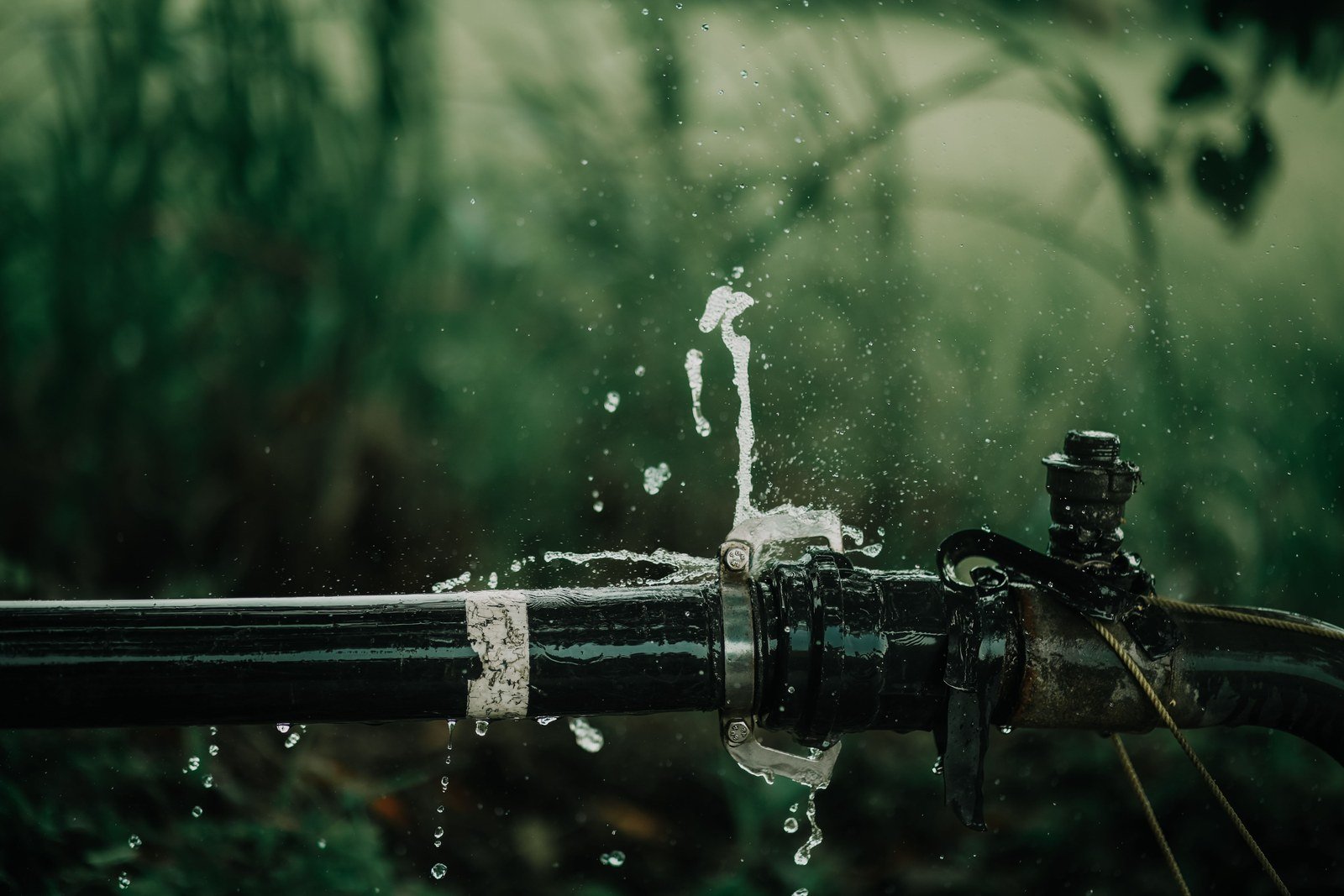
It was the first real cold snap of November, the kind of Ottawa cold that makes the windows creak at night. At about 2 in the morning my neighbour knocked on my door, standing in socks on a wet hallway floor, and the sound behind him was water running where water should never run. A pipe had burst in the wall between our units, and by the time we found the shut off, the hallway carpet was soaked through and the baseboards were already swelling. That night, I started asking: does home insurance cover frozen pipes?
He was calm about it. He had been through this once before, years ago, in another house. Calm was the last thing on my mind. I was standing there in my pyjamas wondering one very simple thing: if that pipe had been in my wall instead of his, would my home insurance have paid for any of it? The policy had sat unread for years. That night, I finally did.
Does home insurance cover frozen pipes?
Here is the short answer I found in my own policy, and the answer most Canadian homeowners will find in theirs: sudden and accidental water damage from a burst pipe is usually covered, but the exact wording decides everything. The key words are sudden and accidental. A pipe that freezes and bursts in one cold night is a sudden event. A pipe that has been leaking slowly for months, quietly rotting the floor underneath, is a different story, and insurers treat it very differently.
That distinction matters more than anything else in a winter claim. When I read my policy, the water damage section was the longest and the most careful part of the whole document. It covered the damage the water caused, the cost of finding and fixing the broken pipe itself was a separate question, and there were conditions attached: the home had to be occupied or properly checked, and the heating had to have been kept on. Those conditions are the part nobody reads until the water is already on the floor.
So does home insurance cover frozen pipes? In most standard Canadian policies, yes, the resulting water damage is covered when the burst is sudden and you have taken reasonable care of the home. But your policy is the only document that answers the question for your house. Read the water damage wording before the cold arrives, not after the ceiling starts dripping.
The three winter claims that fill the season
Every November, the same three problems start arriving at insurance offices across Canada and the northern United States. The first cold snaps of the season open the frozen pipe, ice dam and furnace fire claim season, and it runs all winter. If you know the three, you can spot all three coming.
1. Frozen and burst pipes
This is the one I watched happen next door. Water expands when it freezes, and a pipe full of still water in a cold wall has nowhere to go. The burst usually happens at the weakest point, often a joint or an elbow, and the real damage comes from the hours of water running before anyone notices. Pipes on outside walls, in unheated basements, in garages and in crawl spaces are the usual suspects. A pipe does not need to be old to burst. It only needs to be cold, full and forgotten.
2. Ice dams
An ice dam is what happens when heat escaping through your roof melts the snow on top, the water runs down to the cold edge of the roof, and it freezes again into a ridge of ice. The next melt has nowhere to drain, so the water backs up under the shingles and into the house. The stain on the ceiling often shows up far from the actual leak, which is why people blame the wrong thing for weeks. Keeping the attic cold and the gutters clear is the boring prevention that actually works.
3. Furnace fires and heating failures
The third winter claim is the one people forget. When the furnace kicks back on after months of sitting idle, dust, a cracked part or a neglected filter can turn into a fire or a failure on the coldest night of the year. A furnace that fails while you are away for a weekend can also let the whole house drop below freezing, and then the pipes go next. Winter claims love company. One failure invites the next.
The three steps that decide whether your claim gets paid
Talking to my neighbour the next morning taught me something I had never understood: the claim is not really decided when the adjuster arrives. It is decided by the things you did, or did not do, before the damage happened. Three things matter most.
Step 1: Know your shut offs before you need them
The main water shut off is the single most valuable piece of knowledge in your house, and most of us could not find it in the dark. I could not. That night we wasted precious minutes hunting for it while water kept running. Find yours today. It is usually near where the water line enters the house, often in the basement near the front wall. Show everyone in the household. Tape a small tag on it if you have to. Knowing where it is turns a disaster into a mess.
While you are at it, find the shut off for your furnace and know how to turn the water off to an outdoor tap. Five minutes of looking around your basement now is worth hours of mopping later.
Step 2: Prevent the freeze in the first place
Prevention is the part insurers actually ask about, and it is the part you can control completely. The list is not glamorous, but every item on it is cheap compared with a claim.
- Keep the heat on, even when you are away. A cold house is a burst pipe waiting for a date.
- Disconnect garden hoses and shut off the outdoor tap before the first hard freeze.
- Open the cupboard doors under kitchen and bathroom sinks on outside walls during a deep cold snap, so warm air reaches the pipes.
- Let a faucet drip slowly on the coldest nights. Moving water is much harder to freeze than still water.
- Insulate exposed pipes in unheated spaces, and seal the drafts that blow cold air straight onto them.
- Clear your gutters in the fall so melt water drains instead of freezing into an ice dam at the roof edge.
None of this is complicated. All of it is the kind of thing you mean to do every year and forget until the cold reminds you. This year, the cold reminded me through my neighbour’s hallway.
Step 3: Keep proof that you looked after the place
If you ever do file a claim, the adjuster will ask what you did to prevent the damage. Receipts for a furnace service, a plumber’s visit, insulation you installed, even dated photos of a cleared gutter, are all evidence that you took reasonable care. Keep them in one folder, digital or paper. And if damage does happen, take photos before you clean anything up, call your insurer promptly, and do what you can to stop the damage getting worse, like shutting off the water and moving valuables. Insurers expect you to limit the damage once you find it.
A policy you have never read is not protection. It is a hope. I read mine at 2 in the morning, standing in wet socks. Do not be me.
What I do every November now
That night changed how I treat the first cold snap. November is now my home insurance month, the same way spring is my cleaning month. I sit down with the policy, I read the water damage section again, and I check three things: what water damage is covered, what is excluded, and whether I have any separate coverage I should know about, like sewer backup, which is often an add on rather than part of the standard policy.
Then I walk the house. Hoses off, outdoor tap shut, pipes in the basement checked, furnace filter changed, gutters cleared, and the main shut off located and labelled. It takes an afternoon. The whole routine costs almost nothing, and it is the reason I sleep properly through the first freeze now.
I also learned to ask my broker one direct question each year: if a pipe bursts in my wall tomorrow, does home insurance cover frozen pipes, and what exactly happens, step by step? The answer tells me more about my coverage than the policy booklet ever did, because a good broker explains the wording in plain language. If you have never asked your broker that question, ask it this week. It is free, it takes five minutes, and it is the closest thing to reading the policy with a translator. The Insurance Bureau of Canada also publishes plain-language guides to home cover in Canada.
If you rent rather than own, the same night applies to you in a different way. Your landlord’s insurance covers the building, not your belongings. That is what tenant insurance is for, and it is the piece renters skip most often. A burst pipe upstairs does not care who owns the walls. It ruins your couch just the same.
And if you are thinking about the heating side of the same season, the new federal heat pump rebate changes the math on replacing an old furnace before it fails on you. A planned replacement in November beats an emergency replacement in January, every single time.
The question I keep asking myself every winter: does home insurance cover frozen pipes?
My neighbour’s hallway dried out. His claim went through, because the burst was sudden, the house was occupied, and the heat was on. He got lucky in the way that matters: he had done the boring things right before the bad night arrived. I got lucky too, in a different way. I learned the lesson from his ceiling instead of mine.
So here is what I want to know from you. Has a winter claim ever caught you by surprise? A burst pipe, an ice dam, a furnace that quit on the coldest night? And when it happened, what did your policy actually cover, and what did you wish you had known a month earlier? Tell me in the comments. The best winter advice I have ever heard came from people who learned it the wet way, and somebody reading this tonight is one cold snap away from needing it.
This is my own experience and general information, not insurance advice. Policies differ, so read your own wording and ask your broker or insurer about your specific coverage before you rely on it.
