


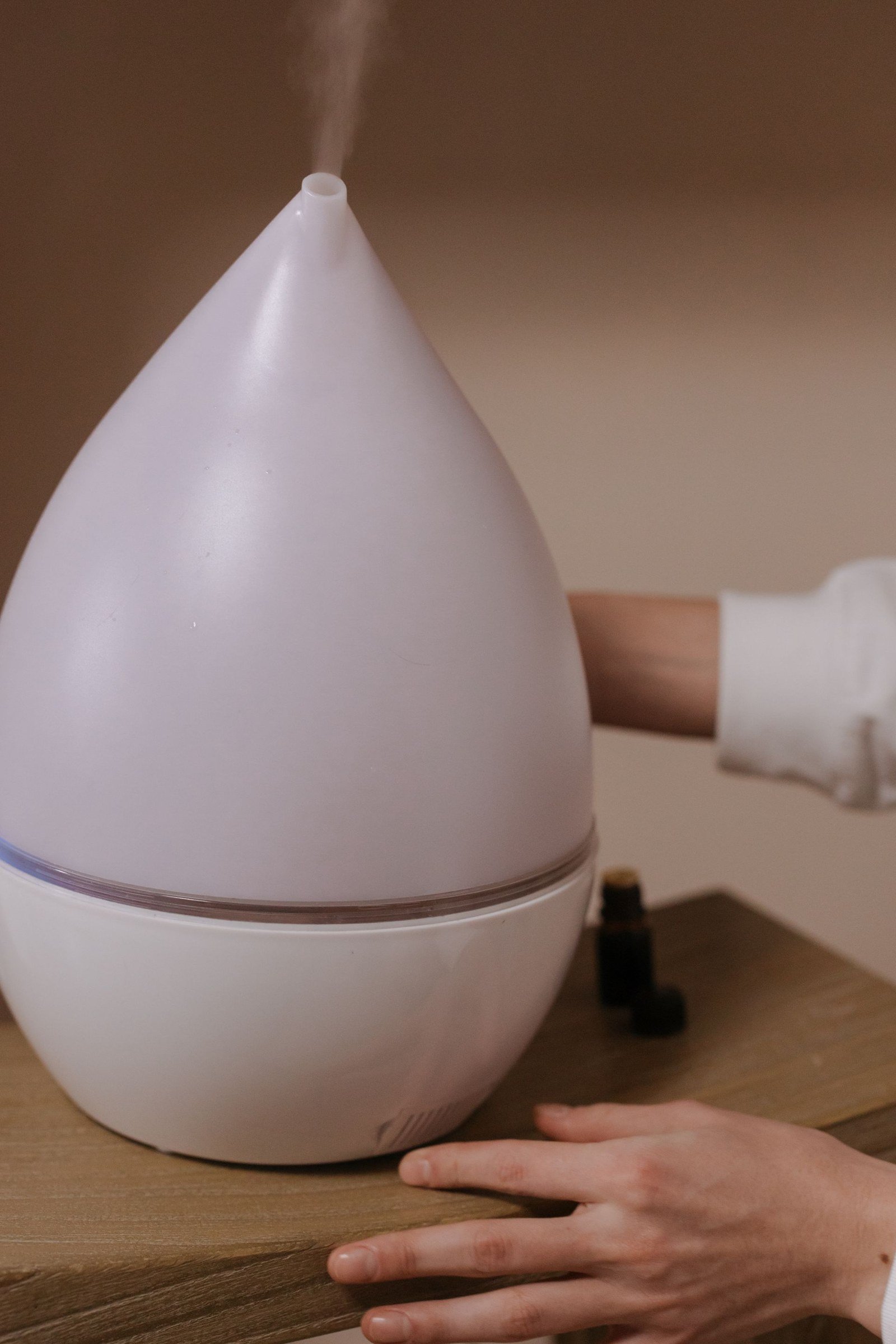
The first cold morning of last winter, I walked into my kitchen and thought the windows had been rained on from the inside. Water beaded across the glass, ran in thin lines, and pooled on the sill. I wiped it dry and told myself it was one cold night. The next morning it was back, heavier, with a faint dark speckle along the paint at the corner of the frame. That was the morning I bought a small hygrometer, and its number changed how I run my house all winter. It was my first lesson in ideal indoor humidity winter.
My humidifier had been set with the best of intentions. I had read that healthy indoor air sits at 50 percent, so I set it there in November and left it alone. What I missed is the part nobody prints in big letters. In a Canadian winter, the right humidity is not one fixed number. It slides down as the temperature outside falls. Cold glass can only handle so much warm moist air before that moisture turns to water on the pane. My mistake was treating 50 percent as a promise instead of a ceiling that moves with the weather.
Ideal indoor humidity winter: what should indoor humidity be in winter in Canada?
Health Canada gives the general healthy range for a home as 30 to 50 percent. Winter in Canada asks for more nuance. The Canada Mortgage and Housing Corporation, known as CMHC, advises that when it is below minus 10 degrees outside, indoor humidity should sit at about 30 percent. It can go as low as 25 percent in extremely cold regions, to prevent condensation on cold surfaces such as windows. Mild days can handle the middle. A deep freeze cannot.
Here is the sliding scale I keep on my fridge, built from that CMHC style guidance. It assumes a home heated to about 21 degrees.
| Outdoor temperature | Target indoor humidity |
|---|---|
| About 0 degrees | 40 to 45 percent |
| About minus 10 degrees | About 35 percent |
| About minus 20 degrees | About 30 percent |
| About minus 30 degrees | About 25 percent |
| Colder than minus 30 degrees | 20 to 25 percent |
One honest note about sources. Natural Resources Canada publishes a related table in its Keeping the Heat In guide. It lists the maximum humidity before condensation forms on specific window types. For ordinary double glazed windows, that ceiling is about 44 percent at minus 10 degrees and about 34 percent at minus 20 degrees. Better windows can stay dry at higher levels. That is a ceiling for the glass, not a comfort target, which is why it looks a little higher than my fridge table. Both sources point the same way. The colder it gets, the lower you go.
Why do my windows sweat every morning?
Your windows are the coldest surface in the room, so they show the problem first. Warm indoor air carries moisture from showers, cooking, laundry, and breathing. When that air touches cold glass, it cools and can no longer hold its water, so droplets appear on the pane. Natural Resources Canada notes that excessive condensation on windows away from the kitchen and bathroom signals too much moisture in the air for the conditions.
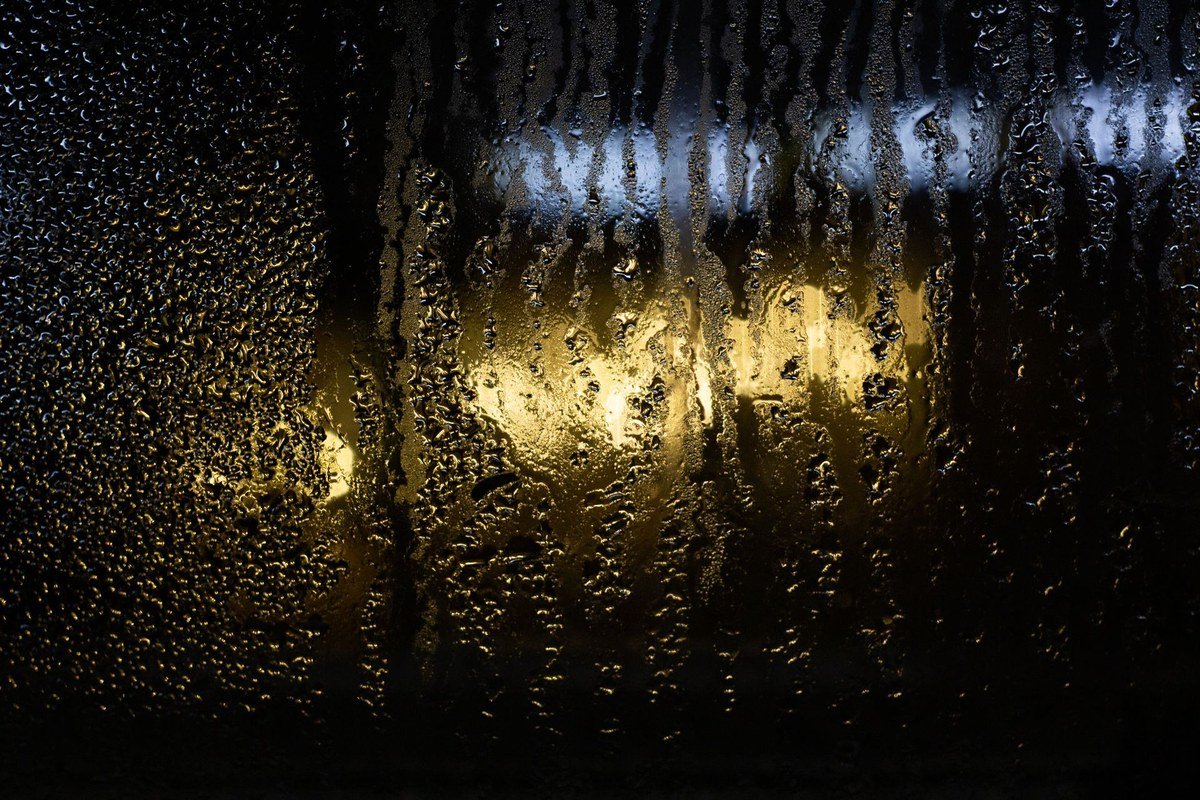
A light mist that clears on its own is common and usually harmless. What worried me was water that ran, pooled, and returned every day. Repeated wetting can damage paint and wood and feed mould in places you cannot easily see. That is why I pair this check with the walk through in my freeze thaw damage prevention checklist, because moisture problems rarely travel alone in a Canadian winter.
Your windows are not misbehaving. They are reporting, honestly and early, that the air in your house is wetter than the weather outside allows.
Ideal indoor humidity winter: is 50 percent too high in winter?
On a mild day, many homes can sit near the top of the healthy range without trouble. In deep cold, yes, 50 percent is usually too high, and my wet sills were the proof. Health Canada links keeping humidity at or below about 50 percent with helping to prevent mould growth, and notes that dust mites spread more readily above 50 percent. Older Health Canada and Natural Resources Canada material flags levels often above 55 percent as a problem, so sources differ slightly on the exact top number. They agree on the direction. Sustained high humidity in winter invites condensation and mould.
If your windows stay wet, do not argue with the chart. Turn the humidifier down or off for a day or two. Run the bathroom fan during and after showers. Use the range hood while cooking, and watch the glass. When it stays dry in the morning, you have found the level your house can handle that week. If heating costs add winter stress, my look at furnace replacement cost in Canada and the current heat pump rebate in Canada may help you plan bigger fixes.
What are the signs my air is too dry?
Turning humidity down too far has its own costs. Health Canada notes that below 30 percent, complaints of dry skin, dry eyes, and irritated sinuses and throat tend to rise. In my house the clues were simpler.
- Static shocks from light switches and blankets
- Dry itchy skin, chapped lips, and waking up with a scratchy throat
- Wood floors or furniture showing small gaps, creaks, or fine cracks
- Houseplants with crispy leaf edges despite regular watering
- A hygrometer reading that sits in the twenties for days at a time
Natural Resources Canada adds a helpful floor, noting that humidity above about 20 percent helps prevent dry sore throats. So the goal is not the driest air possible. It is the lowest level that keeps your windows dry while you still feel comfortable.
What are the signs my air is too damp?
Too damp announces itself quietly, which is why I missed it. Look for daily condensation and frost on inside window corners. Watch for a musty smell in closets or the basement, mould on frames or bathroom ceilings, and paint that feels damp or bubbles. Health Canada advises fixing moisture problems right away, because mould on damp materials can worsen eye, nose, and throat irritation, coughing, wheezing, and asthma symptoms.
Whether a policy responds to water damage depends on the cause and the wording, which I explored in does home insurance cover frozen pipes. Prevention is far cheaper than any claim. While checking frames and sills, the safety walk in fire red flags to check before you rent or buy is worth rereading, since winter raises the stakes at once.
Ideal indoor humidity winter: do I need a humidifier or a dehumidifier in winter?
Most Canadian homes in winter need help adding moisture, not removing it. Cold outdoor air holds little water, and heating dries indoor air further. A humidifier makes sense when your hygrometer sits below the target for days and you feel the dry signs above. A winter dehumidifier is the exception, useful in a damp basement or a home with persistent condensation even at low settings. In many houses, the first tools are actually exhaust fans and a heat recovery ventilator if you have one, used properly and often.
My rule is simple. Measure first, adjust one thing at a time, and give each change a full day. If you are planning comfort changes for an older family member, the ideas in my aging in place home modifications checklist pair well with humidity control. And if you are buying, a professional look at moisture is one more reason the figures in home inspection cost in Canada are money well spent.
Where should I place a hygrometer?
Place it in a central living space, about chest height, away from the kitchen, bathroom, heating vents, outside doors, direct sun, and the humidifier itself. A meter beside the humidifier will flatter the whole house. I keep one in the living room and a second in the bedroom during cold snaps, and I read them early in the morning, when the overnight truth is on the glass.
- Check the forecast low for tonight, not just the daytime high.
- Find that temperature in the table and set your humidifier at or just below that target.
- Run bathroom and kitchen fans during moisture making activities and for a while after.
- Look at the windows first thing in the morning and adjust down if they are wet.
- Dry any pooled water on sills the same day so it never sits in the paint or wood.
That routine ended my towel duty within a week. My windows stay clear at minus 20 degrees now, and the dark speckle at the frame corner stopped spreading once the sill stayed dry. I still love a cosy house in winter. I just let the weather help choose the number, and trust the glass to tell me when I get it wrong. That is ideal indoor humidity winter in practice.
This article is general information only, not health, building, or insurance advice. If you find extensive mould or persistent water damage, speak with a qualified local professional.
