


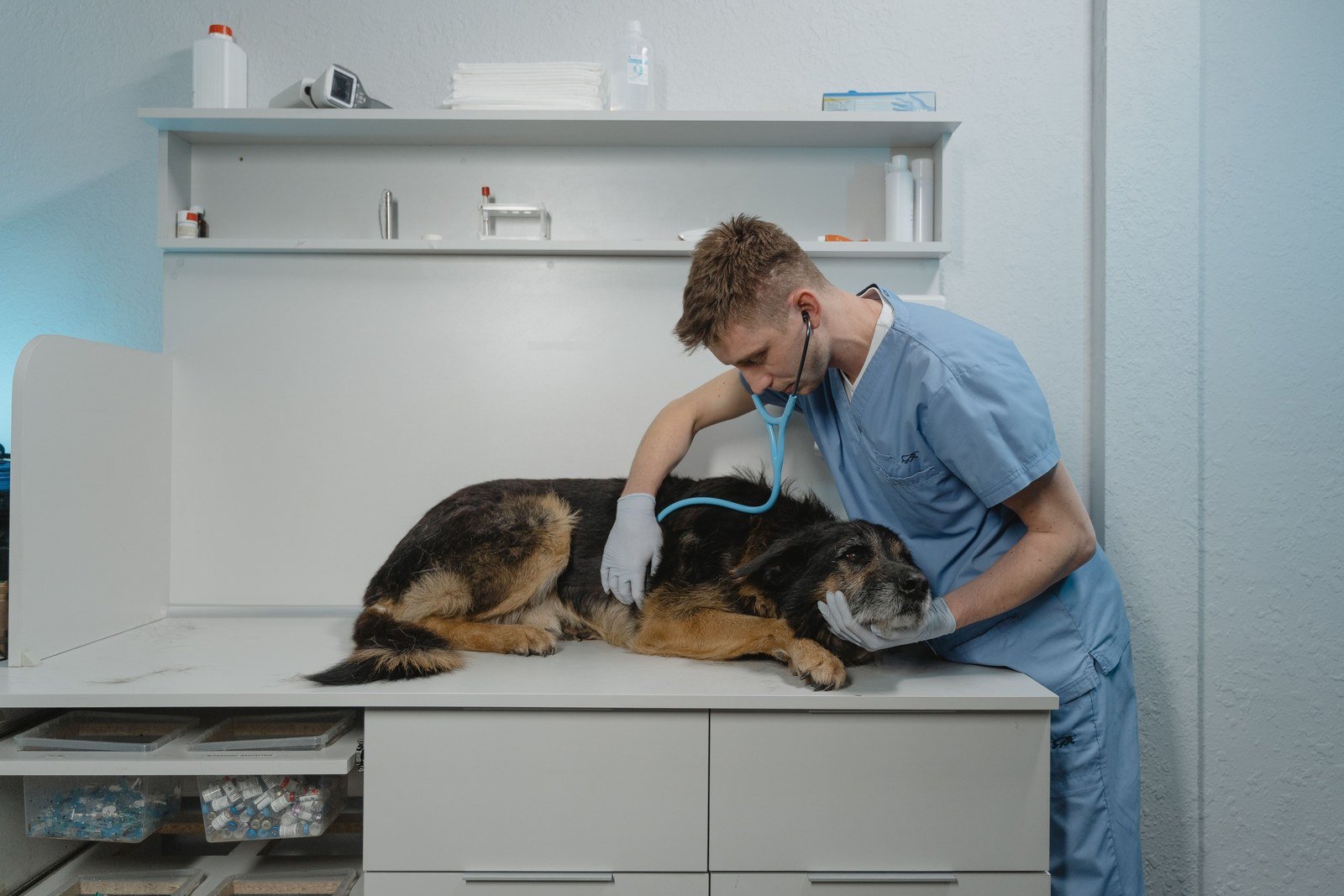
Here is the trap, stated plainly: the day your pet gets sick is the day pet insurance Canada stops being able to help with that illness. Pre existing conditions are excluded on nearly every policy sold in this country, usually for the life of the policy. Yet only about 3.7 percent of Canadian dogs and cats are insured, roughly 643,000 pets, while vet costs climb 6 to 8 percent a year. Half of Canadian pet owners told a 2026 PetSmart Charities of Canada and Gallup study that they had skipped or declined vet care, most of them for cost. This guide runs the real numbers so you can decide with your eyes open, before the emergency, not during it.
How much does pet insurance Canada cost per month?
Two honest answers exist, because two different things get measured. The North American Pet Health Insurance Association, NAPHIA, reports what owners actually paid in Canada in 2025. The coverage was accident and illness. The average was $1,176 a year for a dog, about $98 a month. For a cat, it was $601 a year, about $50 a month. Accident only plans averaged far less, $257 a year for dogs and $212 for cats. Quotes for a brand new policy on a young, healthy pet come in lower. They commonly run around $64 a month for a dog and $31 a month for a cat. Typical ranges are $35 to $75 for dogs and $20 to $45 for cats.
Budget on $30 to $100 a month in Canadian dollars. Expect the price to climb steeply as your pet ages. One comparison showed a medium mixed breed dog rising from $32 to $48 a month at age one. By age ten, the same dog cost $95 to $140 a month.
What does pet insurance actually cover?
- Accident only: injuries from accidents, like swallowed objects, bites and broken bones. The cheapest tier.
- Accident and illness: accidents plus illness treatment, surgery, emergency and hospital care, diagnostics such as X rays and ultrasound, prescription medication, and cancer treatment on many plans.
- Add ons: wellness and dental extras exist on some plans for routine care that standard policies leave out.
What does pet insurance Canada never cover?
- Pre existing conditions, the big one, almost always excluded.
- Routine care: check ups and vaccinations, unless you bought a wellness add on.
- Routine dental work, food and supplements.
- Elective or cosmetic procedures, and breeding or pregnancy costs.
Waiting periods also apply when a policy starts, so a claim in week one is usually too early. Read the exact wording of any policy, because a few insurers treat a cured past condition differently after a symptom free period, and most do not. If exclusions surprise you here, the same lesson runs through home coverage, as my guide to what home insurance covers when a pipe bursts shows. Pet insurance Canada policies all share these exclusions, so read the fine print before you buy.
Insurance you buy after the diagnosis is not insurance for that diagnosis. The time to price a policy is when your pet is young, healthy and slightly bored by the whole conversation.
How do deductibles and reimbursement actually work on a real bill?
Pet insurance Canada is reimbursement based. You pay the vet first, submit the claim, and the insurer pays its share after your deductible. Three levers decide what lands back in your account: the deductible, commonly $100 to $500, the reimbursement rate, usually 70, 80 or 90 percent, and the annual limit, which runs from a few thousand dollars to unlimited on premium plans. Worked example from Canadian guides: a $3,000 surgery on an 80 percent plan with a $200 deductible. You pay the $200 deductible, then 20 percent of the remaining $2,800, which is $560. Total out of your pocket: $760 instead of $3,000. That gap is the entire product. Compare the structure with how I broke down life insurance cost in Canada and you will see the same pattern: small steady payments against one bill that would wreck a month.

Does breed, age and province really change the price?
Yes, all three, and by a lot. Large breeds and breeds known for expensive conditions cost more, older pets cost more every year, and where you live matters because vet prices differ by province. A 2026 comparison for a healthy two year old medium dog put British Columbia highest at $70 to $120 a month, Ontario at $60 to $110, Alberta at $60 to $105, Quebec at $50 to $90 and Saskatchewan lowest at $42 to $75. Cats in the same comparison ran $25 to $70 nationally. Pet insurance Canada prices change by breed, age and province.
Is pet insurance worth it, or should I just save the money?
Run your own pet insurance Canada math honestly. An emergency visit in Canada can run $1,000 to $10,000, and serious surgery can pass $5,000. In that same 2026 study, 53 percent of owners said they could not afford a sudden $1,000 vet bill, and 96 percent of vets said client finances sometimes or often prevent care. Saving the premium instead only wins if the emergency arrives late and small. A savings pot is still a smart partner either way, and my guide to building an emergency fund in Canada is the framework I would use for the pet version. Renters should also check what their tenant insurance in Canada already covers, since liability for your pet actions can sit inside a home policy, and travellers taking pets south should read my snowbird travel insurance homework before assuming any coverage crosses the border.
The decision checklist
- Get quotes while your pet is young and healthy, before any diagnosis exists.
- Compare the deductible, reimbursement rate and annual limit together, never the premium alone.
- Read the pre existing condition wording word for word.
- Price your province and your breed, not the national average.
- Keep a small vet savings pot either way, because you pay the clinic first and claim after.
Pet insurance Canada is not a bargain hunt. It is a decision about who carries a $5,000 surprise, you alone, or you with help you arranged while everyone was healthy.
General information only, not insurance advice. Prices are market ranges from the sources named and change by pet, provider and province. Read any policy wording in full before you buy.
