


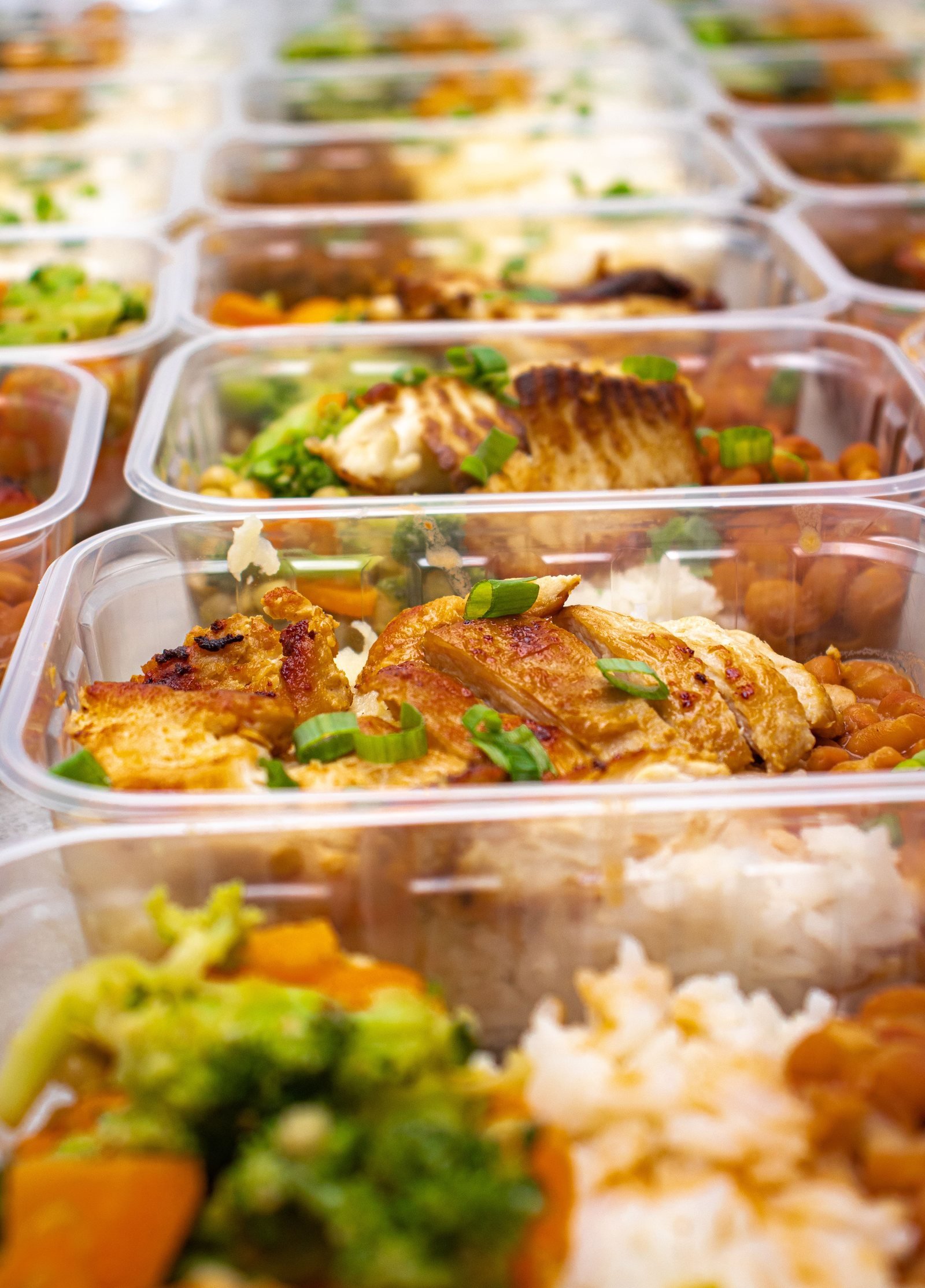
My grocery bill used to be chaos. I shopped with no plan. I bought snacks I did not need. Then I threw away food I forgot to eat. Meal prep on a budget changed that pattern in one week. Now my bill is $85 a week, and I eat better than I did before.
Before the change, my week felt random. I ate takeout on busy nights. I skipped lunch on other days. Then I felt tired by Friday. The food was not the problem. The lack of a plan was the problem.
So I tried a simple system. One pot, one tray, and one grain. I cooked in one block. I portioned the food the same night. Then I ate from the fridge all week. That system is the heart of this guide.
How much does meal prep on a budget cost for one week in Canada?
A realistic one person week of planned groceries at Canadian discount chains lands near $80 to $100. My week lands near $85. That range covers No Frills, Food Basics, Walmart Supercentre, and Real Canadian Superstore.
Canada Food Price Report 2026 figures put a younger adult annual food bill near $4,114 to $4,725, including restaurant meals. Statistics Canada averages run near $300 per person per month on groceries. A careful meal prep routine can hold a food week near $60 to $85.
So $85 is not a magic number. It is a target. If you shop with a list, then you can hit it. If you shop with no list, then you will pass it fast. Meal prep on a budget works because the list controls the spend.
Also, check your own baseline first. Add up your last four weeks of food spend. Then compare that total with $85 a week. That gap is your saving. My Christmas budget guide uses the same baseline test for a seasonal spend.
What are the cheapest proteins for meal prep on a budget?
Cheap protein is the secret to a low cost week. Dried lentils cost near $0.25 to $0.35 per 100 grams. Dried beans cost a similar price. Eggs cost near $4.95 a dozen on national average in mid 2026. Canned chickpeas cost near $1.50 a can.
Compare those prices with chicken breast near $14.68 per kilogram. Chicken is still a good protein. However, it costs far more per serving than lentils or beans. So use chicken as a treat, not as the base of every meal.
- Dried lentils: near $0.25 to $0.35 per 100 grams
- Dried beans: near $0.25 to $0.35 per 100 grams
- Eggs: near $4.95 a dozen
- Canned chickpeas: near $1.50 a can
- Chicken breast: near $14.68 per kilogram
Meal prep on a budget leans on lentils, beans, eggs, and chickpeas. Those foods are cheap, filling, and easy to cook in bulk. Then add chicken on the weeks when it is on sale. That mix keeps the cost low and the food varied.
For a clear food guide, see the Canada Food Guide. It shows how to build a balanced plate. Then use that plate as your prep template.

What should a beginner cook in the first prep session?
Start with three simple dishes. Cook a pot of lentil soup. Cook a tray of chicken and vegetables. Then cook a grain, such as rice. Those three dishes give you lunches and dinners for days.
First, put the lentils on to simmer. Next, chop the vegetables for the tray. Then put the tray in the oven. While both cook, start the rice. That flow uses one block of time, not three separate cooks.
Also, keep the seasoning simple. Salt, pepper, garlic, and a little oil can carry a whole week. Then add a sauce on the day you eat, not on the day you cook. That trick keeps the food fresh in taste, even on day four.
Meal prep on a budget is not about fancy recipes. It is about repeatable recipes. So pick dishes you like. Then cook them the same way each week. That habit beats a new recipe every Sunday.
How long does meal prep on a budget take each week?
Plan for about 90 minutes to 2 hours in a single weekly block. That time covers shopping, cooking, and portioning. It does not cover daily cooking. So you save time on the other six days.
Here is how the block breaks down. Shopping takes about 30 minutes with a list. Cooking takes about 60 minutes. Portioning and cleaning takes about 30 minutes. That total is 2 hours at most. Many weeks take less.
Use the Flipp app to plan around flyers. Check the flyers before you shop. Then build your list from the deals. That step can save $10 or more in a week. So the app is worth the five minutes it takes to check it.
Also, think about time as money. My how to make an extra $1000 a month guide shows how time can turn into income. Meal prep turns time into food. Both habits start with a plan.
How do I stop prepped food from going to waste?
Portion the same night you cook. Put each meal in a clear container. Label it with the date. Then freeze anything not eaten by day four.
That rule is the key to less waste. Food in the fridge for four days is fine. Food in the fridge for seven days is a risk. So freeze the rest. Then thaw it the night before you eat it.
Also, check the fridge rules for cooked food. My cooked chicken guide says cooked chicken lasts 3 to 4 days in the fridge, then toss it. That rule applies to most cooked meals. So label the date and trust the label.
Meal prep on a budget fails when food goes in the bin. So cook less than you think you need in week one. Then cook more in week two if you run out. That test finds your real portion size fast.
Cook once, eat well all week. That is the whole promise of meal prep.
What does one prepped meal actually cost me?
Per meal math is the proof. Lentil soup with rice costs near $1 to $1.50 a serving. Eggs on toast cost near $1.50. Chickpea and vegetable stir fry over rice costs under $2.50.
Here is a worked example for a day. Breakfast is eggs on toast at $1.50. Lunch is lentil soup with rice at $1.25. Dinner is chickpea stir fry over rice at $2.25. That day totals $5.00. Multiply $5.00 by 7 days. That gives $35.00 for a week of home meals. Then add fruit, snacks, and coffee. That brings the week to near $85.
Compare that with takeout. A single takeout lunch can cost $15 or more. A week of takeout lunches can cost $75 or more. So home prep wins on price, and it wins on health too.
Also, think about the holiday season. My how to cook a turkey guide shows how a big cook can feed a crowd. My groceries benefit guide explains the benefit coming in 2027. And my emergency fund guide shows how a food saving can build a cash buffer.
Prices vary by region. Remote and northern communities pay more for food. So your $85 week may look different if you live far from a discount store. Use the prices in your area. Then use the same system. The math still works, even if the total is higher.
My week now feels calm. Shopping happens once. Cooking happens once. Then I eat well all week. My bill is $85. My fridge is full. And my evenings are free. That is the before and after that meal prep gave me. Start with one pot, one tray, and one grain. Then let the week prove it to you.
