


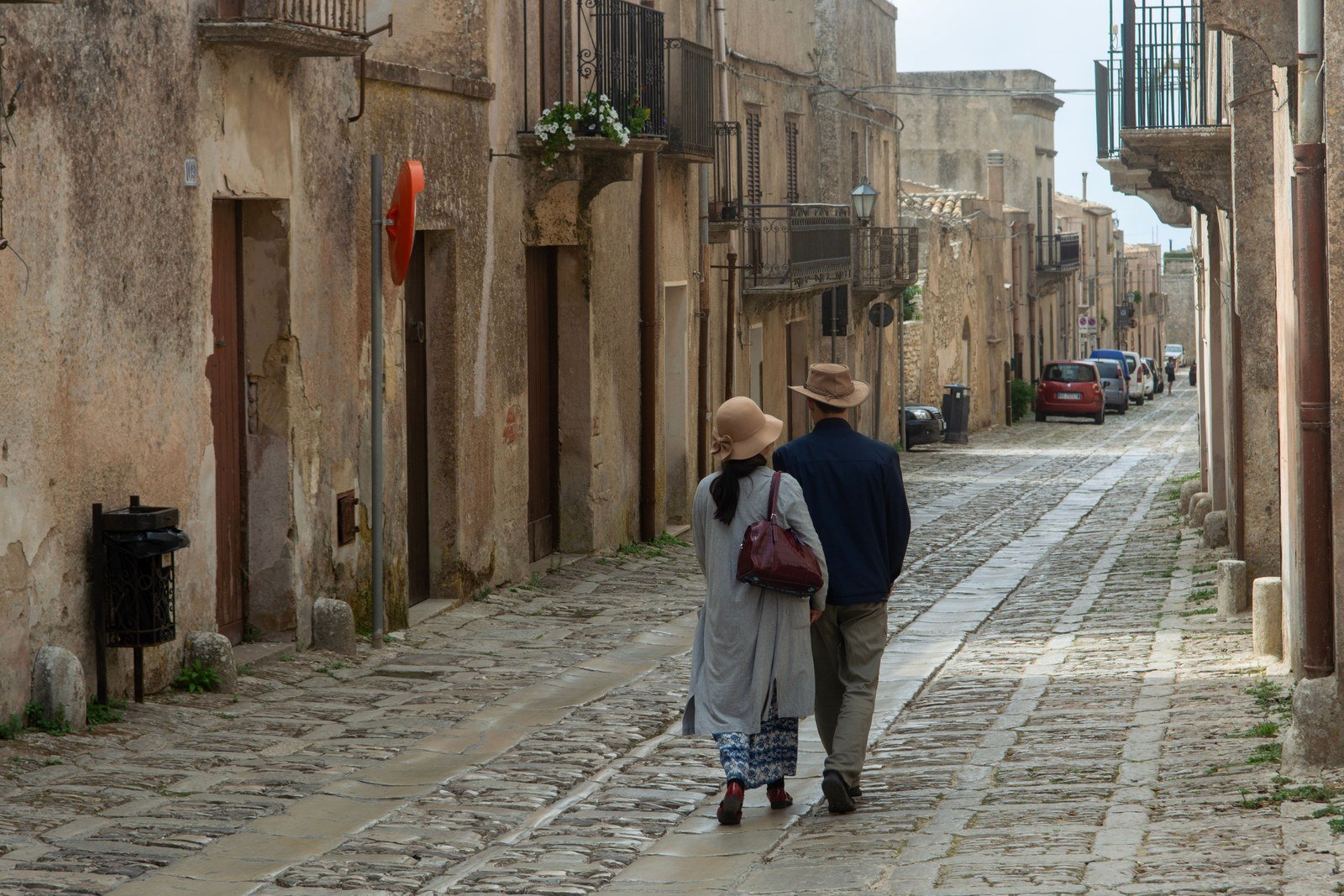
It started the way it probably starts for most people. I was rewatching a favourite show, the kind I have seen enough times to quote, and I paused on one wide shot of a stunning coastal town and thought: that place is real somewhere. Somebody wakes up there. Somebody buys bread there. A few months later, I was standing in that exact street, slightly sunburned and completely delighted. That, friends, is set jetting, and it quietly became the best travel I have done in years.
If you have ever finished a series and immediately searched where it was filmed, you already understand the pull. What surprised me is how much better the trip gets when you plan it on purpose instead of treating the filming locations as a bonus. This is the honest guide I wish someone had handed me before I booked: what set jetting is, how to do it well, and the one or two surprises waiting for every first timer.
What set jetting actually is
Set jetting is travelling to the real places where films and television shows were shot. Not the theme park version. The actual streets, hotels, villages and coastlines that played your favourite scenes. And it is having a serious moment. Expedia’s Unpack ’27 trends report found that 58 percent of Gen Z and millennial travellers are interested in set jetting, planning trips around destinations they first met on a screen.
Here is the funny part. Almost nobody searches for the trend by name. People search the show and the place: where was this filmed, can you visit that hotel, is that village real. The label is industry talk. The behaviour is pure fan instinct, and it makes complete sense to me. A great show spends hours making you fall in love with a place. Of course you want to stand in it.
There is a deeper reason it works so well, at least for me. Normal sightseeing can feel like homework, a list of famous things you are supposed to admire. A set jetting trip arrives with the story already loaded. You are not just looking at a pretty harbour. You are standing where two characters had the argument that changed the whole season. The place comes pre loved.
My trip: Sicily, by way of a television resort
My own set jetting trip grew out of The White Lotus, season two, the one set at a glamorous resort in Sicily. I did the homework you will find below, and the first lesson arrived before I even flew: the resort is real. The show filmed at the San Domenico Palace in Taormina, a Four Seasons hotel in a former fourteenth century convent, all cloisters and terraces looking toward Mount Etna. It is a working luxury hotel, which means fans can book a room or reserve a table, but nobody gets to wander the corridors like a film set, and honestly, fair enough.
Taormina itself delivered everything the screen promised. The old town streets, the ancient theatre, the little island of Isola Bella sitting in blue water below the cliffs. Walking there felt like stepping inside scenes I knew by heart, except the gelato was real and so was the bill.
A screen shows you a place for a few seconds at a time. A trip lets you live inside the shot for days, and the place always turns out bigger, stranger and better than the frame that sold it to you.
Then came the lesson every set jetter learns once. The beach. In the show, the resort beach feels like a short stroll from the hotel terrace. In real life, those beach scenes were filmed in Cefalù, a coastal town on the other side of Sicily, roughly three hours away by road. Three hours. Television geography is a beautiful liar. The show stitches a whole island into one resort, and your job as a planner is to unstitch it before you book, not after you land.
Check what you can actually visit before you fall in love
This is the step that separates a great set jetting trip from an awkward afternoon at a locked gate. Filming locations sit on a spectrum, and each kind asks something different of you:
- Purpose kept sets. The rarest and easiest kind. Hobbiton in New Zealand is the famous example: the Shire from The Lord of the Rings and The Hobbit films still stands near Matamata, 44 hobbit holes tucked into the hills of a working sheep farm, and you can tour it, drink at the Green Dragon Inn and all. It is guided tours only, on private farmland, and it books out, so reserve ahead.
- Real businesses. Hotels, cafes and restaurants that played themselves or a fictional twin, like the San Domenico Palace. You visit as a guest or a customer. Book the table, buy the coffee, and remember the staff work there even when you are having a moment.
- Public streets and landmarks. Old towns, theatres, harbours and squares. These are free, open and usually the most rewarding, because daily life keeps happening around your scene.
- Private land and working sets. Some locations are closed, full stop. A soundstage, a private estate, a farm with no tour. If a place is not open to visitors, the fence is the answer, and no photo is worth ignoring it.
Ten minutes of checking saves real disappointment. I have stood in the right town on the wrong coast because I trusted the edit. Learn from my fuel receipts.
How to plan a set jetting trip, step by step
Here is the method I now use, in the order I use it. If you are building a watchlist for your next obsession, my December picks are a decent place to hunt for candidates.
- Pick a show you genuinely love. Not the show everyone is posting about this week. The one you have rewatched, the one whose places already feel like memories. Fandom fades on a long flight. Real love survives the airport.
- Find where it was actually filmed. Search the show’s name plus filming locations, and cross check with fan location guides and local tourism pages. Remember that set and setting are different countries more often than you would guess.
- Check what is visitable. Sort every location into the four kinds above. Tours, opening hours, booking windows, closed gates. This step decides your map.
- Build the trip around two or three screen locations, plus the real place around them. Two or three anchor spots are plenty. Fill the rest with what the destination does for its own sake: the food, the coast, the slow mornings. The show is the hook, not the whole holiday.
- Go in shoulder season. The crowds chasing the same idea arrive at peak season, along with peak prices. A few weeks earlier or later, the same streets are quieter, cheaper and far more like the scenes you fell for.
- Respect the place like a guest, because you are one. People live on those photogenic streets. Keep voices down near homes, stay off private steps and gardens, never block a working business for a photo, and if a production is filming, enjoy the luck and keep the distance the crew asks for.
The honest part: it looks smaller in real life
Let me prepare you for the one feeling every set jetter gets. The street will look smaller. The famous room will look quieter. The grand vista will have a parked scooter in it. Cameras stretch places, dress them, light them and empty them of ordinary life. Reality does none of that.
Here is what nobody tells you: that gap is not a letdown. It is the charm. The smaller, quieter, realer version is the one you get to keep. The show gave millions of people the same polished shot. You are one of the few who stood there on an ordinary Tuesday, heard the actual sounds, and learned what the place is like when the cameras go home. My Taormina mornings, coffee in hand while the town woke up, beat any single scene I went looking for.
Timing helps here too. If your screen trip is a winter escape, plan it like one: my notes on how Canadians are splitting their winter travel this year pair well with a show led route. A beloved location in the off season, with room to breathe, is the closest real life gets to the screen version anyway.
Your turn: which show gets your next trip?
So now I want your answer, because every fan I know has one ready. If you could build a trip around a single show or film, which one wins, and which exact place would you stand in first? A hobbit hole in New Zealand, a Sicilian terrace, a street you have only ever seen at night in a drama? Tell me in the comments. I am building my next list, and I fully intend to steal your best idea.
