


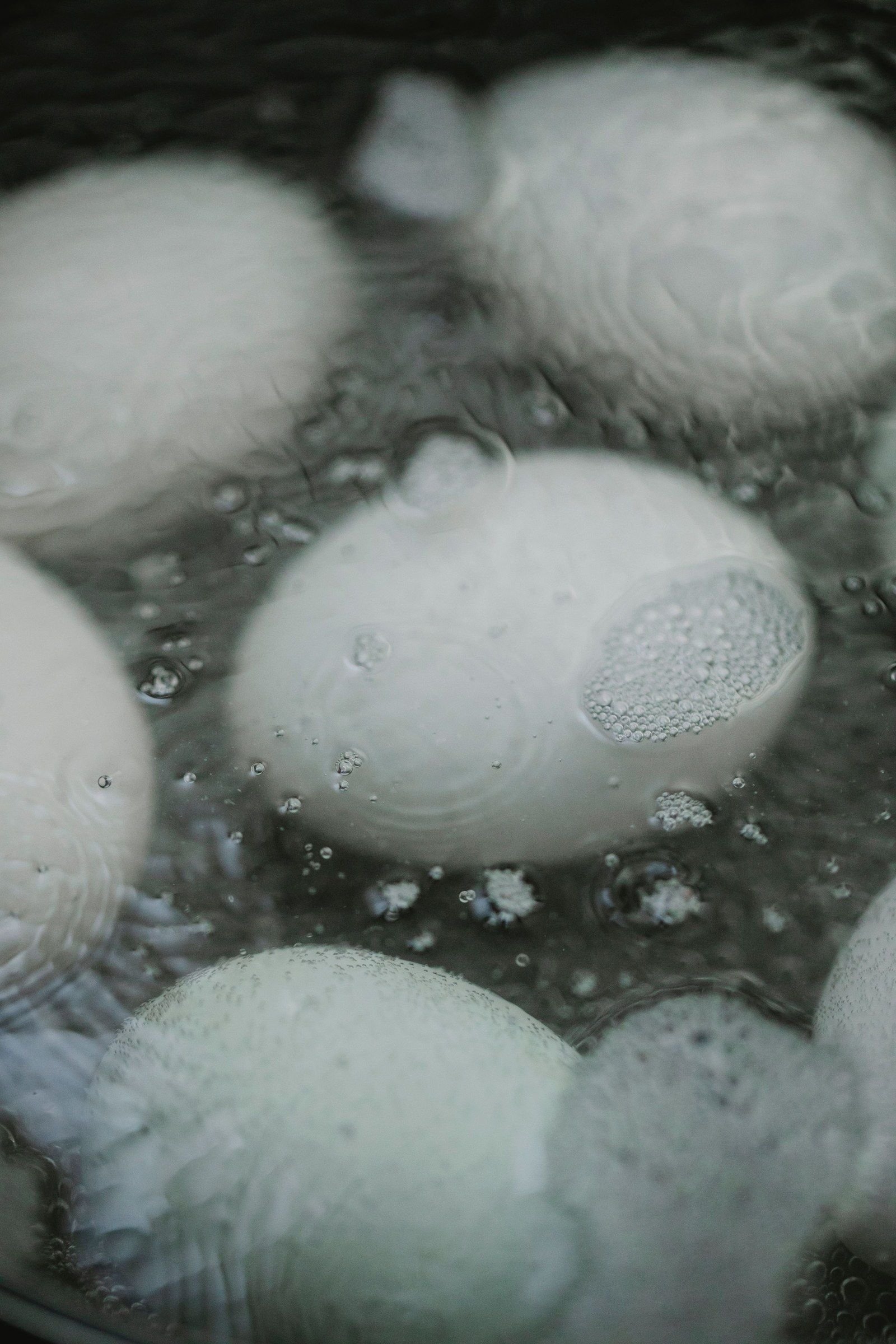
For years, my boiled eggs embarrassed me. I would cut one open and find a grey ring around a dry, crumbly yolk. The next batch would peel so badly that half the white came away with the shell. I blamed the eggs and the pot. The truth was humbling. I had never actually timed anything, and I had never cooled a single egg properly. I never knew how long to boil eggs, and the yolks showed it.
Everything changed the morning I cooked eggs for guests and decided, at last, to use a timer and a bowl of ice water. The yolks came out golden. The shells slipped off in big, clean pieces. This guide is the routine I wish someone had handed me back then. If you want to know how long to boil eggs, start here, and learn from my grey yolk years instead of repeating them.
An egg is honest food. Give it the right minutes and a cold landing, and it will forgive years of guessing.
How long to boil eggs for soft, medium and hard yolks?
Here is the short answer first. The times below are for large eggs from the fridge, lowered gently into water that is already boiling and kept at a steady, gentle boil.
| Doneness | Time in Boiling Water | What You Get | Best For |
|---|---|---|---|
| Soft | 6 to 7 minutes | Set white, runny yolk | Toast and breakfast cups |
| Jammy | 7 to 8 minutes | Set white, glossy yolk | Ramen and salads |
| Medium | 8 to 9 minutes | Mostly set, tender centre | Snacks and sandwiches |
| Hard | 10 to 12 minutes | Fully set yolk | Egg salad and meal prep |
A word of honesty about sources. Reputable kitchens do not all publish the same minute. Some time eggs lowered into boiling water, as in the table above. Others, including the Egg Farmers of Canada Get Cracking guide and Food Network, start eggs in cold water, bring them to a boil, then let them rest off the heat under a lid. That method needs longer clock time. It needs about 3 minutes for soft and 6 minutes for medium in one version, and 11 to 12 minutes for medium and 18 to 23 minutes for hard in the Canadian guide. The starting points differ, so the clocks differ. Pick one method and stay loyal to it.
Do I Start Eggs in Cold Water or Boiling Water?
You can succeed with either. A cold start is gentle. Eggs and water heat together, shells crack less often, and it suits a relaxed batch of hard eggs. A boiling water start is precise. The clock starts at a clear moment, so soft and jammy eggs come out the same way every time, and many cooks find they peel more easily too.
My house rule is simple. For soft, jammy or medium eggs, I boil the water first and set the timer the second the last egg goes in. For a big batch of hard eggs, I often use the cold start resting method while I make coffee. What I never do is wander away without a timer.
- Fill a pot with enough water to cover the eggs by about an inch.
- Bring the water to a boil, then lower cold eggs in gently, one at a time.
- Keep the water at a steady gentle boil and start your timer right away.
- Fill a big bowl with cold water and ice while the eggs cook.
- Move eggs straight into the ice bath for 5 to 10 minutes.
- Peel now, or store in shells and peel as needed.
Why Does My Yolk Turn Green or Grey?
That grey green ring is not dangerous. It forms when eggs cook too long or cool too slowly. Heat pushes sulfur from the white toward iron in the yolk, and where they meet, a grey green layer appears, with a stronger smell and a chalky taste. My old habit of leaving eggs in hot water while I answered messages was a perfect recipe for it.
The fix is the pairing I skipped for years. Respect the timer, then stop the cooking fast in ice water. My hard eggs now slice open with golden yolks, which still gives me unreasonable pride. The same timing mindset helped me with bigger jobs too. If a whole bird once scared you, my story of learning how to cook a turkey will feel familiar.
How long to boil eggs: how do I peel boiled eggs without tearing them apart?
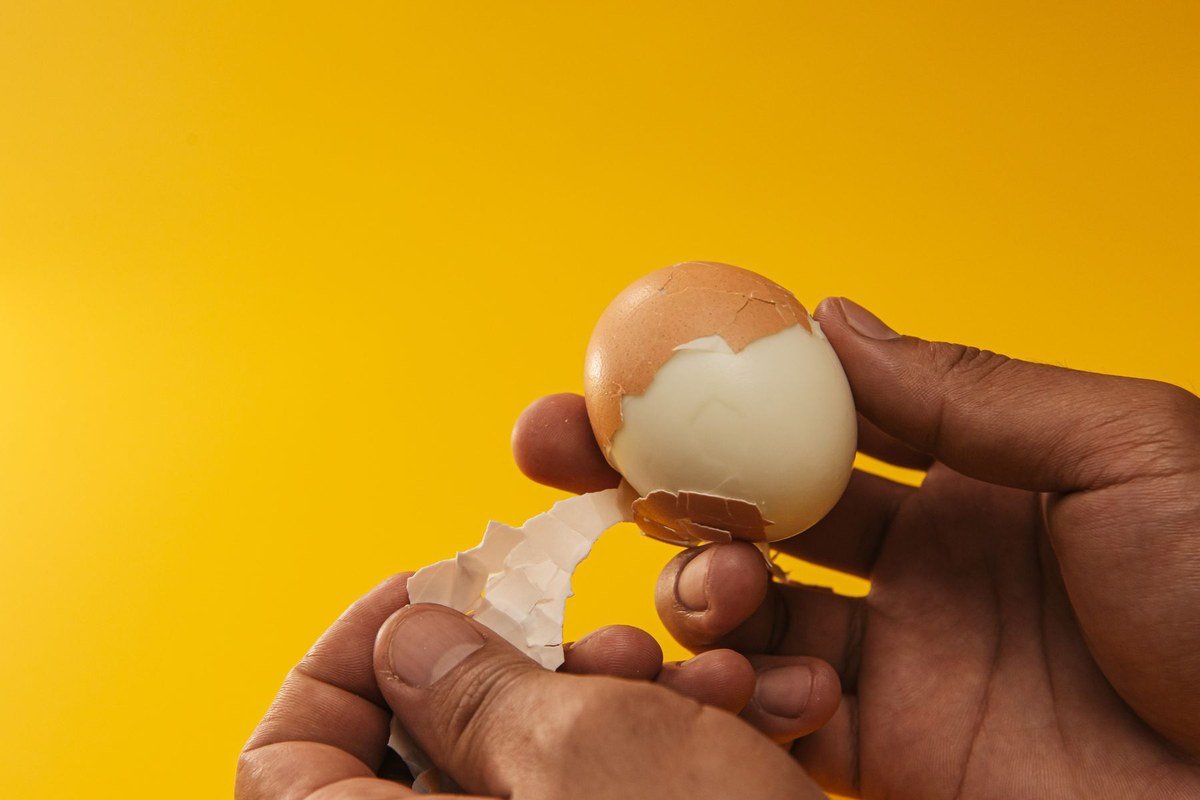
Peeling used to be where my confidence died. Three small changes fixed it. First, the ice bath matters. Cooling shrinks the egg slightly inside its shell and loosens the membrane that clings to the white. Second, crack the shell all over, then start at the wide end, where there is usually a small air pocket. Third, peel under a thin stream of water, or in the cold water itself, to wash away tiny shell bits.
- Use eggs that have been in the fridge for a few days, rather than the very freshest eggs.
- Crack the shell all over, then roll the egg under your palm.
- Start at the wide end, under the membrane.
- Peel in the ice bath water or under running water.
Are older eggs really better? Within their safe life, yes, a little. Very fresh eggs cling to their shells, while eggs about a week old usually peel more cleanly. That is why I buy eggs a few days before a big batch, and why I check dates with the care I wrote about in my guide to the best before date versus expiry date in Canada.
How Long Do Boiled Eggs Last in the Fridge?
Health Canada gives hard cooked eggs up to one week in the fridge, in the shell or peeled, in a sealed container, with yolks best used within five days. The egg board gives the same one week figure for eggs in their shells. Some guides advise eating peeled eggs sooner for best quality, within about 3 to 4 days, and I find the texture agrees. I follow the one week outer limit, peel as I go, and let smell overrule any calendar.
Two rules protect every batch. Get cooked eggs into the fridge within 2 hours, sooner on a hot day, and keep them in a covered container on a shelf rather than in the door, where temperatures swing. Cooked eggs follow the same leftover logic as other proteins, as in my notes on how long cooked chicken lasts in the fridge. They also anchor my weekly routine in meal prep on a budget in Canada, where a dozen eggs become breakfasts and lunches for days.
Can I Boil Eggs in an Air Fryer or a Microwave?
Briefly, with care. Eggs in the shell can be cooked in an air fryer, often around 15 to 17 minutes for hard eggs depending on the model, followed by an ice bath. Models vary widely and shells can crack, so follow your manual and test one egg first. The microwave is different. A shell egg can build up steam and burst, during cooking or after you take it out, and burn you. I do not cook shell eggs in the microwave. Choose the stove instead.
How Can I Tell If an Egg Is Still Good?
The float test is famous, so let me be honest about its limits. An egg that floats has a larger air pocket inside, which usually means it is older. An egg that sinks and lies flat is usually fresher. Floating is a clue about age, not a verdict on safety. Check the date, keep eggs cold in their carton, and discard any egg with an off smell, odd discolouration, or a cracked and leaking shell. When there is real doubt, the safest answer is the bin.
Food safety note: this article is general information from sources including Health Canada and the Egg Farmers of Canada, not personal advice. Keep eggs refrigerated at or below 4 degrees Celsius, refrigerate cooked eggs within 2 hours, and throw out eggs left at room temperature beyond 2 hours. People at higher risk from foodborne illness should cook eggs until whites and yolks are firm.
How long to boil eggs: what will I actually do differently tomorrow morning?
Here is my closing checklist, taped inside my cupboard door. It carries me through weekday breakfasts, packed lunches for the Ottawa Christmas markets, and devilled eggs for holiday tables planned with my guide to how to budget for Christmas in Canada.
- Choose the doneness first, then set the matching time before the eggs touch water.
- Start the timer the moment the last egg goes in, every single time.
- Build the ice bath while the eggs cook, not after they finish.
- Store eggs cold in a sealed container, label the cooking day, and respect the one week limit.
Cooking rarely rewards us this quickly. A few honest minutes, a bowl of ice water, and a timer you actually obey. That is the whole distance between the eggs I used to hide and the eggs I now put on the table proudly. Now you know how long to boil eggs, and you can trust the timer every time.
