


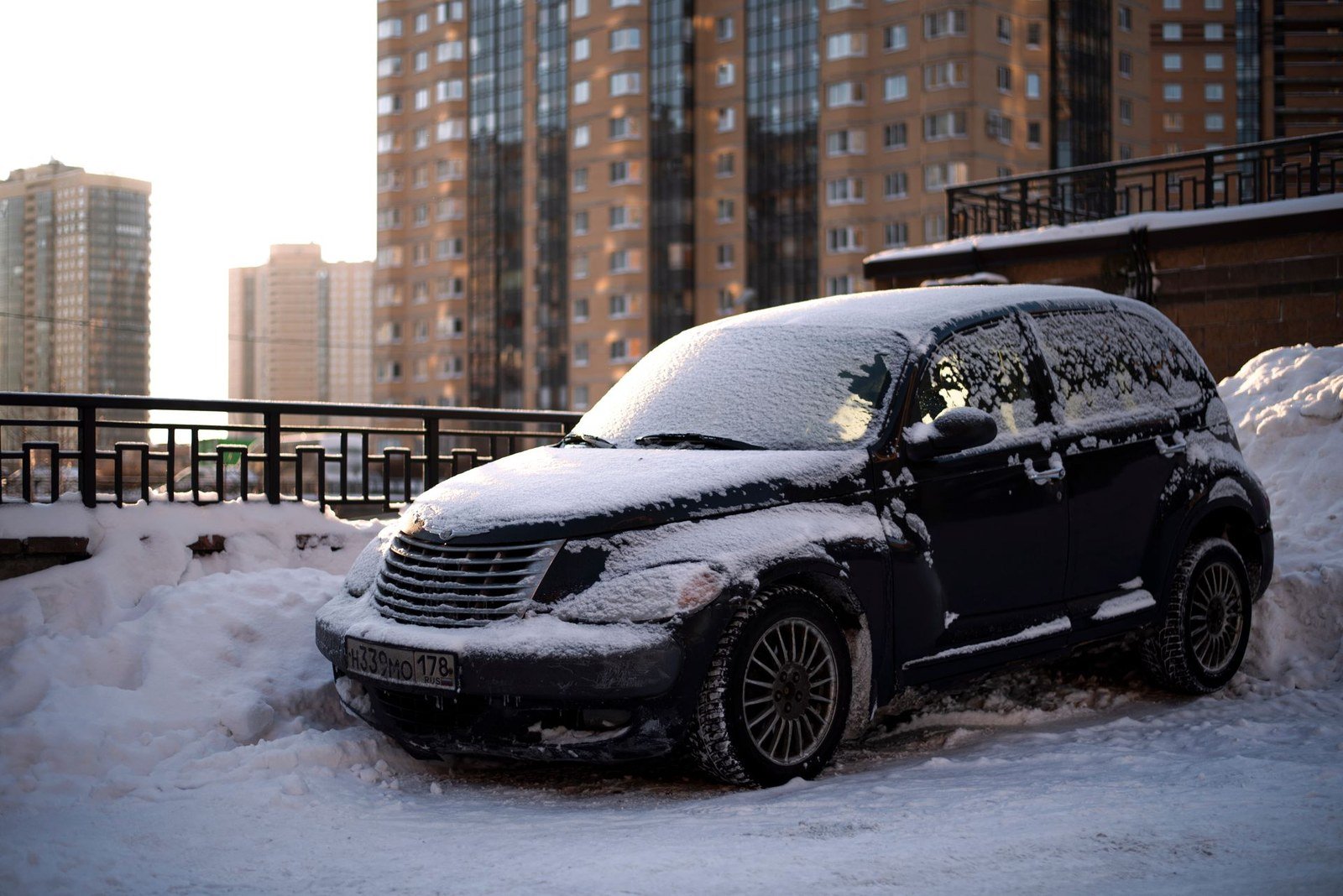
I turned the key at 7 in the morning, and the car answered with a slow click, then nothing. The dashboard lights came on, the radio worked, and the engine would not turn over. It was minus 18, the wind was sharp, and I was already late. So I learned the hard way what cold does to a car, and why a car will not start in cold weather even when the lights still work.
This guide walks through that cold morning in plain words. It explains why cold cuts battery power, what a dead battery sounds like, how to boost a car safely, when a block heater helps, when the starter or fuel is the real problem, what a new battery costs in Canada, and how to stop it from happening again.
Why Does Cold Hit a Car Battery So Hard?
A car battery is a chemical box, and cold slows the chemistry inside it. At warm temperatures, the battery can give a strong burst of power to the starter. At minus 18, that same battery can lose a large share of its power, while the engine needs even more power to turn over. Thick oil adds to the load, because cold oil flows slowly and the starter must push harder.
Age makes it worse. A battery that is 4 or 5 years old may start fine in summer, then fail on the first cold morning of winter. Short trips make it worse too, because the battery never gets a full charge. So a car that starts in October can fail in January, even if nothing else changed.
First, check the battery age if you can. Many batteries have a date sticker on top, and a shop can test the battery in minutes. If the test shows weak power, replace the battery before the coldest weeks, not after a failure. For a wider winter check on your home and car, read our freeze thaw damage prevention checklist. It covers the freeze and thaw cycle that stresses roofs, pipes, and cars alike.
What Does a Dead Battery Sound Like?
Listen before you panic. A weak battery often gives a slow crank, then a click, then silence. The lights may dim when you turn the key. A starter problem often gives a single loud click and no crank at all. A fuel problem often gives a normal crank that never catches, and the engine turns but never fires.
Also, look at the dashboard. If the lights are bright and the radio works, the battery may still have some power, but not enough to crank. If the lights are dim or dead, the battery is likely flat. If the lights are bright and the engine cranks fast but will not start, the problem is more likely fuel, spark, or the starter, and a boost will not fix it.
How Do I Boost a Car That Will Not Start in Cold Weather?
Boosting is simple, but the order matters. Wear gloves and eye protection if you have them, and keep both cars off at first. Park the donor car close enough for the cables to reach, but do not let the cars touch. Then connect the cables in this order, and do not rush it.
- Connect one red clamp to the positive terminal on the dead battery.
- Connect the other red clamp to the positive terminal on the donor battery.
- Connect one black clamp to the negative terminal on the donor battery.
- Connect the other black clamp to a bare metal part on the dead car, away from the battery.
- Start the donor car, wait a few minutes, then try the dead car.
- Once it starts, remove the cables in reverse order, and let the car run for at least 20 minutes.
If the car starts, drive it for a while to charge the battery, and get the battery tested that day. A boost is a rescue, not a repair. If it fails again the next morning, the battery is likely at the end of its life. For general road safety gear, read our guide to gadgets to keep in your car in case of fire or a crash. A set of cables and a flashlight belong in that kit.

If you are not sure about boosting, call roadside help. The CAA and other roadside services boost cars every winter, and they can test the battery on the spot. It is better to wait for help than to connect cables in the wrong order and damage the car.
Will a Block Heater Help When a Car Will Not Start in Cold Weather?
A block heater warms the engine coolant, and that helps the engine turn over in cold air. It also helps the oil flow, and it can cut wear on a cold start. So if your car will not start in cold weather, a block heater can help, and it is worth using on cold nights. Plug it in 2 to 3 hours before you start the car, not all night, because that wastes power.
Use a timer if you can, and use an outdoor rated extension cord. Check the cord for cracks, and keep it clear of snow and ice. If your car does not have a block heater, a shop can fit one, and it is often worth it if you park outside in a cold region. Also, park in a garage if you can, even an unheated one, because it cuts the wind chill on the battery.
Winter tires matter here too, because a car that starts still needs to grip the road. Read our guide to winter tires in Canada to time your tire change, and to see why cold changes grip as much as it changes battery power.
The cold did not kill my car in one night. It wore the battery down, one short trip at a time, until one cold morning asked for more than it had left.
When a Car Will Not Start in Cold Weather, Is It the Starter or the Fuel?
A boost will not fix every cold start. If the engine cranks fast but will not fire, the fuel may be the issue. In very cold air, fuel can struggle to vaporize, and a low tank can collect water that freezes in the fuel line. So keep your tank at least half full in winter, and use the fuel grade your manual recommends.
If you hear a single click and nothing else, the starter may be the issue. The starter is the motor that turns the engine, and cold can make a worn starter stick. If you hear a grinding sound, stop trying and call a mechanic, because you can damage the starter gear. If the car starts then stalls, the issue may be a sensor or a fuel pump, and a shop needs to test it.
Electric cars face cold in a different way, and their range drops in winter too. For a look at what that costs at home, read our guide to electric car charging cost in Canada. It shows how cold affects charging, and why a warm garage helps an electric car as much as a gas car.
What Does a New Battery Cost in Canada?
A new car battery in Canada often costs from 150 to 350 dollars, before tax and installation. The price depends on the size, the power rating, and the brand. A small car needs a smaller battery, and a large truck or SUV needs a bigger one. Installation can add 20 to 50 dollars if a shop fits it, and some shops test the old battery for free.
Check the warranty before you buy. A longer warranty can be worth a higher price, because a battery that fails in year two is a cost you did not plan for. Also, ask if the price includes recycling the old battery. Most shops take the old one, and that saves you a trip to a recycling depot. If your car will not start in cold weather twice in one week, get the battery tested right away, because a second failure is a clear sign it is time to replace it.
An unexpected battery bill can hurt, and that is why a small cash buffer helps. Read our guide to my emergency fund in Canada to build a buffer that covers a battery, a tire, or a tow without turning into debt.
Cold Morning Prevention Checklist
- Test the battery before winter, and replace it if it is weak or over 4 years old.
- Keep the fuel tank at least half full, and park in a garage if you can.
- Plug in the block heater 2 to 3 hours before a cold start.
- Turn off lights, heat, and heated seats before you crank, then turn them on after the engine runs.
- Drive for at least 20 minutes after a cold start, so the battery can recharge.
- Keep jumper cables, a flashlight, and a phone charger in the car.
- Clear snow from the exhaust pipe before you start the car, so fumes do not build up.
That last point matters most. A blocked exhaust can push fumes into the car, and that is a serious risk. So clear the tailpipe first, then start the car, and never warm up a car in a closed garage.
A car will not start in cold weather is a common winter story in Canada, and it is rarely a mystery. Cold drains the battery, thick oil adds load, and age tips the balance. Test the battery early, boost safely if you need to, and keep a simple checklist by the door. Your next cold morning will be far calmer.
