


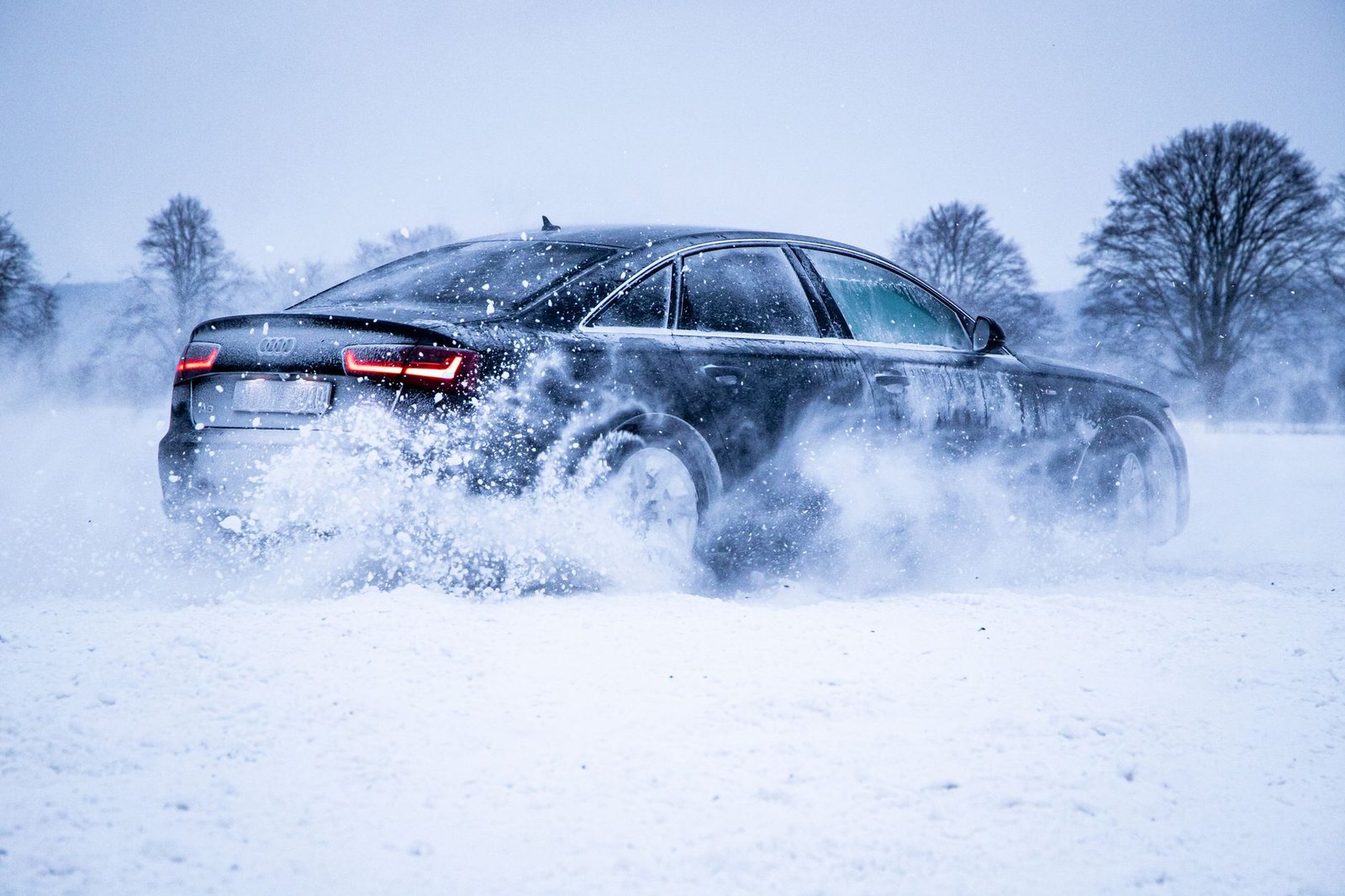
I waited too long for winter tires in Canada once, and I still remember the sound my car made when it finally found grip again. I had told myself that all season tires would be fine for one more winter. Then a cold night in November turned a normal drive home into a slow slide through an intersection, and I learned that winter tires in Canada are not a luxury. They are the difference between stopping in time and hoping you stop in time.
This is the guide I wish I had read before that night. It answers the questions I asked after it, in plain language, with real costs, real dates and real rules for Ontario and Quebec. If you drive in Canada in winter, this will help you choose, time and pay for winter tires with confidence.
What I Learned the Hard Way on a Snowy Night
The temperature had dropped fast, and the road looked wet, not icy. I braked gently at a stop sign, and my car kept moving. It was not fast, and it was not dramatic, but it was enough to scare me. My tires were all season tires, and in cold weather the rubber had turned hard. Hard rubber cannot grip cold pavement the way soft winter rubber can.
I drove home at a crawl that night, and I booked a tire shop the next morning. The mechanic did not lecture me. He showed me the tread, pointed to the date on the sidewall, and said the same thing I now tell friends. Winter tires are about stopping, not about going. That sentence changed how I think about winter driving in Canada.
If you are getting your car ready for cold weather, my freeze thaw checklist for my roof, my pipes and my car is a good place to start. Winter tires are one part of that work, and they are the part that touches the road.
Are Winter Tires Required in Ontario
No, winter tires are not legally required in Ontario. That answer surprises a lot of drivers, because it feels like they should be. Ontario recommends winter tires, and many insurers offer a discount if you use them, but the law does not force you to put them on.
Quebec is different. In Quebec, winter tires are required by law from December 1 to March 15. The fine for driving without them is $200 to $300, and your tires must have the three peak mountain snowflake symbol and at least 1.6 mm of tread. If you drive from Ontario to Quebec in winter, that rule applies to you too.
British Columbia also requires winter tires on many highways from October 1 to April 30. So the rule changes by province, and the safe choice stays the same everywhere in Canada. Put winter tires on before the snow arrives, not after your first slide.
When Should I Put Winter Tires On in Canada
Put winter tires on when the temperature stays below 7C. That is the number tire makers use, because winter rubber stays soft below 7C while all season rubber starts to harden. In most of Ontario, that means sometime in October or early November. Take them off in spring when temperatures stay above 7C, usually in April.
Do not wait for the first snowfall. Tire shops get very busy in late November, and the best appointment times go fast. I book my swap in early October now, and I keep the appointment even if the weather still feels mild. A warm week in October will not damage winter tires, but a cold snap with summer tires can be dangerous.
One simple test helps. If you need a jacket in the morning and the temperature is near freezing, it is time. If your all season tires feel hard and loud on cold pavement, it is time. Trust the thermometer, not the calendar.
How Much Do Winter Tires Cost in Canada
Winter tires in Canada usually cost $140 to $335 each, before tax and installation, depending on size and brand. A set of four for a small car often costs $800 to $1,200 with rims. A set for a small SUV often costs about $1,300, and a set for a large SUV or pickup often costs about $1,700. Those are real prices Canadian drivers report, with rims included.
If you already have rims, the swap itself usually costs $25 to $35 per tire, so $100 to $140 for a set. Storage at a tire shop, if you use it, is extra. The first winter is the expensive one, because you pay for tires and rims. After that, you pay mostly for the swap, and you save wear on your summer tires.
- A small car, tires plus rims, often about $1,000 in total
- A small SUV, tires plus rims, often about $1,300 in total
- A large SUV or pickup, tires plus rims, often about $1,700 in total
- A seasonal swap, if you already own rims, often $100 to $140 in total
- A single tire, before tax and installation, often $140 to $335
Before you buy, check what you can afford without stretching your budget. My guide to how much car I can afford in Canada helped me see the full cost of owning a car, and winter tires are part of that full cost. A cheaper set that fits your car well is better than an expensive set you buy on credit and regret.
Winter Tires vs All Season Tires vs All Weather Tires
Winter tires use soft rubber and deep tread made for snow and ice. All season tires use harder rubber made for mild weather. All weather tires sit in the middle, with the three peak mountain snowflake symbol, and they can be used all year. That sounds perfect, but it is a compromise.
All weather tires are better than all season tires in winter, and they are a good choice if you drive in a mild area or you cannot store a second set. Winter tires are still better in real snow and ice, with shorter stopping distances. If you drive in Ontario, Quebec or anywhere with a long cold winter, winter tires are the safer choice.
Ask yourself one question. How often do you drive on snow, ice or very cold roads. If the answer is most weeks from December to March, choose winter tires. If the answer is a few days a year, all weather tires may be enough, and you should still slow down on those days.
Do Winter Tires Lower Car Insurance in Ontario
Yes, in Ontario insurers must offer a winter tire discount, and the discount is commonly 2 percent to 5 percent. It is not a huge amount, and it will not pay for your tires on its own. It is a small reward for a safer choice, and it is worth asking about.
Call your insurer before you buy, and ask what proof they need. Some insurers want a receipt, some want the install date, and some want the tires on for a set period. Keep your receipt, note the date, and tell your insurer as soon as the tires are on. If you change insurers, ask again, because the discount can change.
Insurance is one part of winter protection. Home insurance matters too when the cold arrives. I learned what is covered when I asked does home insurance cover frozen pipes, and it changed how I prepare my house for winter as well as my car.
Winter tires do not make me brave. They give me room to stop when the road surprises me.
How to Choose the Right Winter Tires
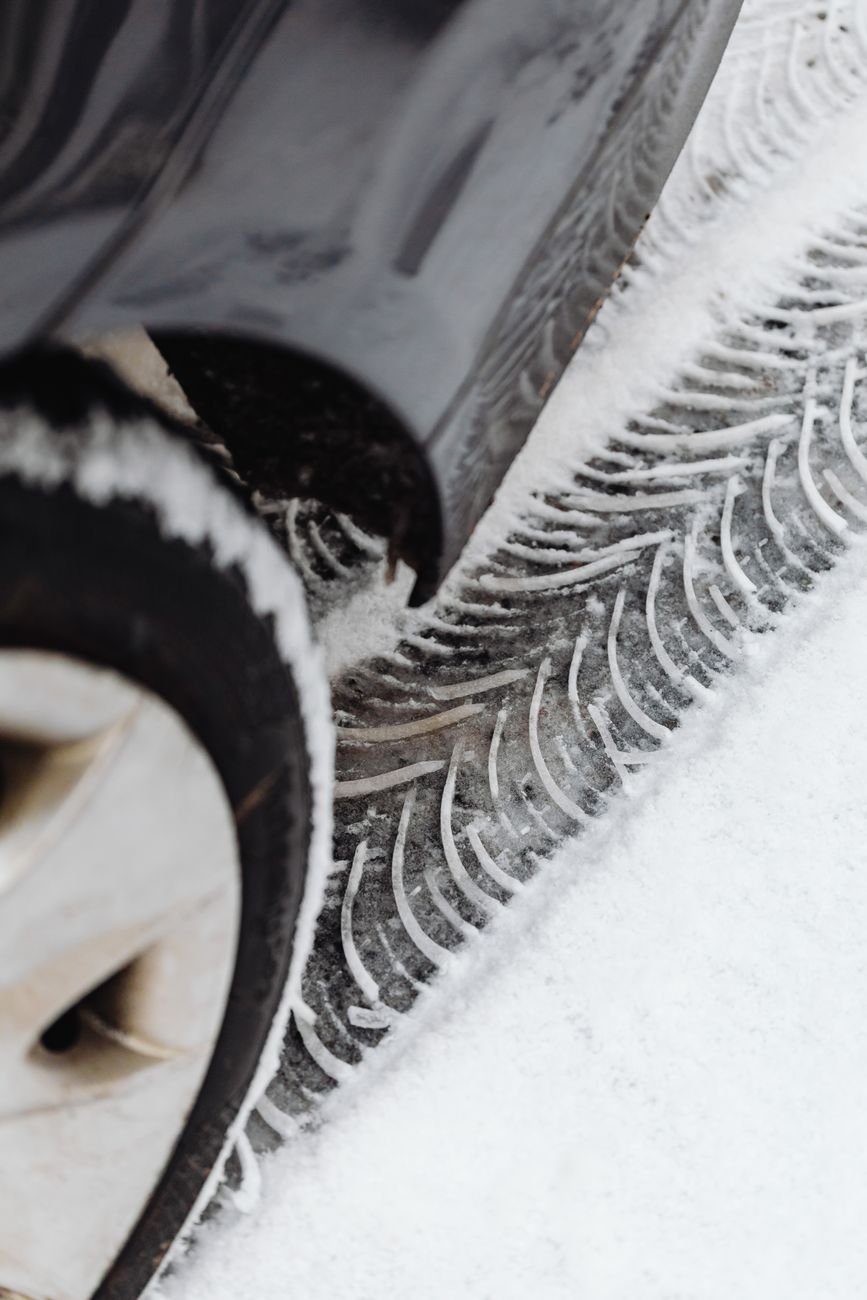
Start with the size on the sticker inside your driver door, not just the size on your current tires. That sticker gives the size your car was made for. Buy four winter tires, not two, because two winter tires and two summer tires can make your car handle in a strange way in a turn.
- Buy the size on your door sticker, with the right load rating
- Look for the three peak mountain snowflake symbol
- Check the date on the sidewall, and avoid very old tires
- Check the tread depth, and do not buy tires close to the legal limit
- Be careful with used tires, and check for cracks, plugs and uneven wear
- Consider a second set of rims, so swaps are faster and cheaper
If you drive an electric vehicle, ask about tires made for the weight and torque of your car. The new rules on EV rebates in Canada for 2026 brought more electric cars to Canadian roads, and those cars still need winter tires that match their size and load.
How Long Do Winter Tires Last and How Do I Store Them
Winter tires usually last 3 to 5 winter seasons. The exact life depends on how much you drive, how you store them, and how cold your winters are. Check the tread each fall. The legal minimum in Quebec is 1.6 mm, but for real safety you should replace winter tires well before they get that low.
Store winter tires in a cool, dry and dark place, away from sunlight and heat. Clean them first, let them dry, and keep them in bags if you can. Stack them flat or hang them, and keep them away from oil and chemicals. Good storage can add a season to your tires, and bad storage can take one away.
My Winter Tire Checklist Before the First Snow
- Book the swap in early October, before tire shops get busy
- Check tread depth and tire age before you pay for a swap
- Check tire pressure, because pressure drops as the temperature drops
- Keep your receipt and tell your insurer the install date
- Pack a scraper, a blanket and a phone charger in the car
- Plan your route on busy travel days, and leave early
That last point matters more than most drivers think. I plan busy winter drives the way I plan busy holiday drives, and my guide to the best and worst times to drive at Thanksgiving taught me that leaving early and avoiding peak hours is the cheapest safety tool I own. The same idea works for a snowy weekend, and for a trip south in winter, which is why I also read the latest Canadian winter travel trends before I book.
I do not wait anymore. When the temperature starts to stay below 7C, my winter tires go on, my receipt goes to my insurer, and my car feels like mine again on a cold road. If you have been putting it off, book the swap this week. Your future self, driving home on a dark snowy night, will be glad you did.
This article is general information for drivers in Canada, not advice for your car or your insurance. Rules, prices and discounts change by province and by insurer, so check the current rule where you live and ask your insurer and your tire shop before you buy.
