


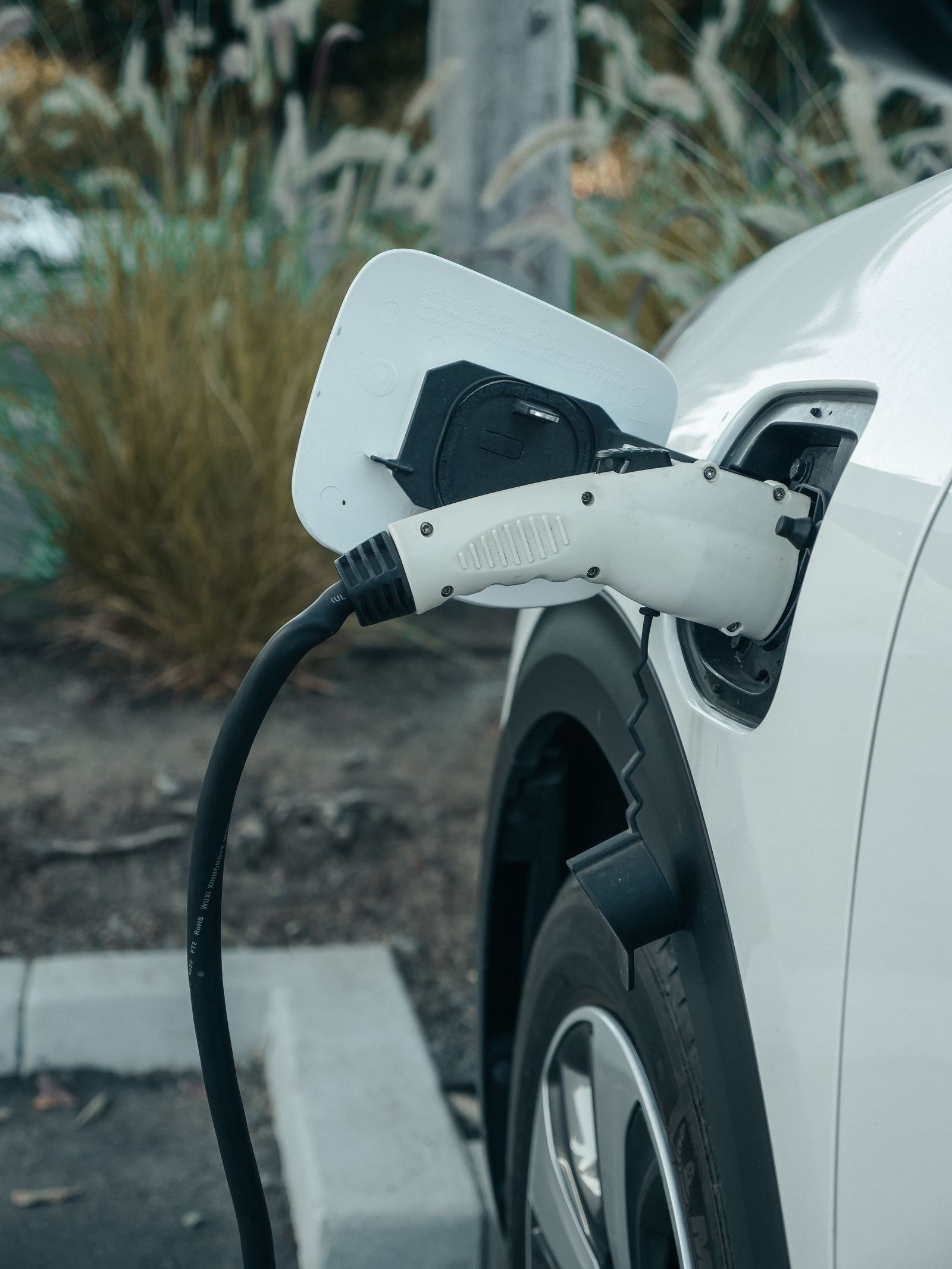
My electric car charging cost stayed a mystery for my first three months of ownership. I plugged in at night, drove all week, and guessed the rest. Then my hydro bill arrived, and the guess ended. So I sat down with a notebook, my utility rates, and my charging history. What I found calmed me down fast. Home charging in Canada costs far less than most drivers fear. Also, the gap between home charging and public charging is bigger than most people expect. This guide shares my exact math, my mistakes, and the habits that cut my bill. You can copy the same simple system for your own car tonight.
What is my electric car charging cost at home?
The short answer is simple. Most Canadian drivers pay about $1.50 to $3.50 for every 100 kilometres they drive at home. Your province sets most of that range. Quebec and Manitoba sit near the bottom because hydro power keeps rates low. Nova Scotia and Prince Edward Island sit near the top. Ontario lands in the middle, and your rate plan moves you up or down inside that range. For example, my car uses about 18 kilowatt hours for every 100 kilometres. At an off peak rate near 10 cents per kilowatt hour, 100 kilometres costs me about $1.80. A full month of driving, about 1,600 kilometres, costs me near $29. My old gas car burned about $190 of fuel in the same month. That single comparison ended every doubt I had.
Here is the formula I use, and you can use it too. First, find your car consumption in kilowatt hours per 100 kilometres. Your dashboard shows this number, and your manual lists it as well. Next, find your electricity rate in cents per kilowatt hour. Your utility bill shows the rate, and your utility website explains each plan. Then multiply the two numbers and divide by 100. The result is your cost per 100 kilometres. Finally, multiply by your monthly distance for your monthly cost. The whole calculation takes five minutes, and it works for every car and every province.
Once I did the math, charging stopped feeling like a bill and started feeling like a bargain.
How much does a full charge cost?
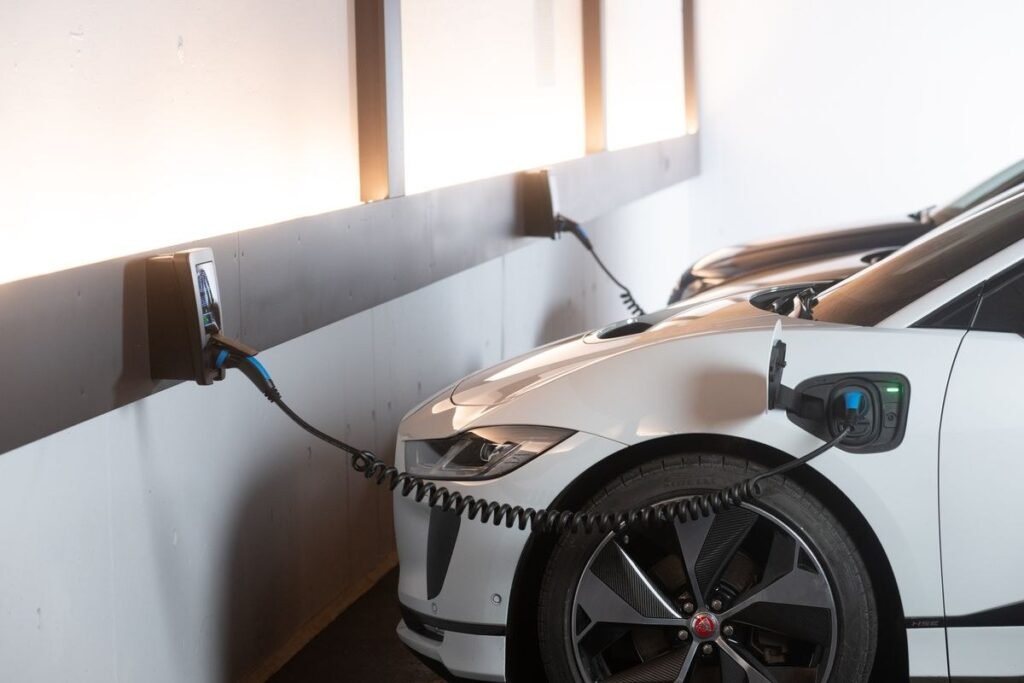
Drivers ask this question more than any other. A typical electric car battery holds 60 kilowatt hours. At 10 cents per kilowatt hour, a full charge from empty costs about $6. At 18 cents, the same charge costs about $10.80. Most drivers rarely charge from empty, though. I usually plug in near 30 percent and stop near 80 percent. That habit protects the battery, and it also keeps each session small. So my normal session adds about 30 kilowatt hours and costs near $3. Three dollars for roughly 170 kilometres of driving still surprises me. It also explains why my gas station visits now feel like a memory.
What does public charging cost, and when does the electric car charging cost jump?
Public charging costs more, and the price depends on the charger speed and the network. Slow public chargers often charge by the hour, and many cost $1 to $2.50 per hour. Some workplaces and stores offer them for free. Fast chargers cost more because they deliver power quickly. Most fast networks price near 30 to 65 cents per kilowatt hour. So a fast session that adds 40 kilowatt hours can cost $12 to $26. That is still often cheaper than gas for the same distance. Still, it costs three to five times my home price. Because of that gap, I treat fast charging as a road trip tool, not a daily habit. On long drives, I plan stops around meals, and the car charges while I eat.
You can read how I think about total ownership in my guide to how much car you can afford in Canada. Natural Resources Canada publishes official charging guidance for Canadian drivers.
- Home charging: about $1.50 to $3.50 per 100 kilometres for most provinces.
- Public slow charging: often $1 to $2.50 per hour, and sometimes free.
- Public fast charging: about 30 to 65 cents per kilowatt hour on most networks.
- Gas comparison: a similar gas car often costs $12 to $16 per 100 kilometres at recent pump prices.
What does a home charger cost to install?
A basic wall outlet charges slowly, and it works fine for short daily drives. Most owners eventually install a Level 2 charger on a 240 volt circuit. The charger itself often costs $500 to $900. An electrician usually charges $800 to $1,600 for the install, and complex panel work costs more. Some provinces and utilities offer rebates, so check your local program before you book anyone. My install landed near $1,700 before a rebate brought it down. The charger adds about 30 to 50 kilometres of range per hour. So an overnight plug fills the car with ease, even in deep winter. If you are still weighing the car itself, my breakdown of the EV rebate in Canada and the eligible vehicles pairs well with this one.
Why does winter change my charging cost?
Winter raises consumption, and every Canadian driver feels it. Cold air thickens, cabin heat draws power, and the battery works harder. My car uses about 20 percent more energy on the coldest weeks. Short trips hurt the most because the car heats the cabin again and again. So I preheat the car while it stays plugged in. That trick pulls heat from the wall instead of the battery. I also keep my tires at the right pressure, because soft tires waste energy on every trip. My winter tires in Canada guide covers the tire side of that story. Even with the winter penalty, my monthly charging cost stays under $40. Gas never gave me a month like that.
How can I lower my electric car charging cost even more?
Small habits stack up quickly. First, charge during off peak hours whenever your plan offers them. Ontario even offers an ultra low overnight rate for the hours between 11 at night and 7 in the morning. Next, set your car charging limit near 80 percent for daily use. That setting speeds up charging and treats the battery kindly. Also, use free public chargers when they sit on your normal route, but never drive far out of your way for one. The saved dollars rarely beat the spent time. Then review your rate plan once a year, because utilities change plans and your usage changes too. Finally, track one month of charging in a simple note on your phone. Data ends guessing, and guessing is where overspending hides.
- Charge at home as your default, and save fast charging for road trips.
- Charge overnight on the cheapest rate your plan offers.
- Preheat the cabin while the car stays plugged in during winter.
- Keep tires at the maker recommended pressure all year.
- Review your electricity plan and your charging data once a year.
Drivers who plan ahead also think about safety gear and winter readiness. I keep the items from my list of gadgets I keep within reach in my car in the trunk all year. And before any long winter drive, I run the checks in my freeze and thaw checklist at home, because a calm house makes a calm trip.
General information only. Electricity rates, charger prices, and rebate programs change often and vary by province and utility. Check your own utility rates and a licensed electrician quote before you decide.
