


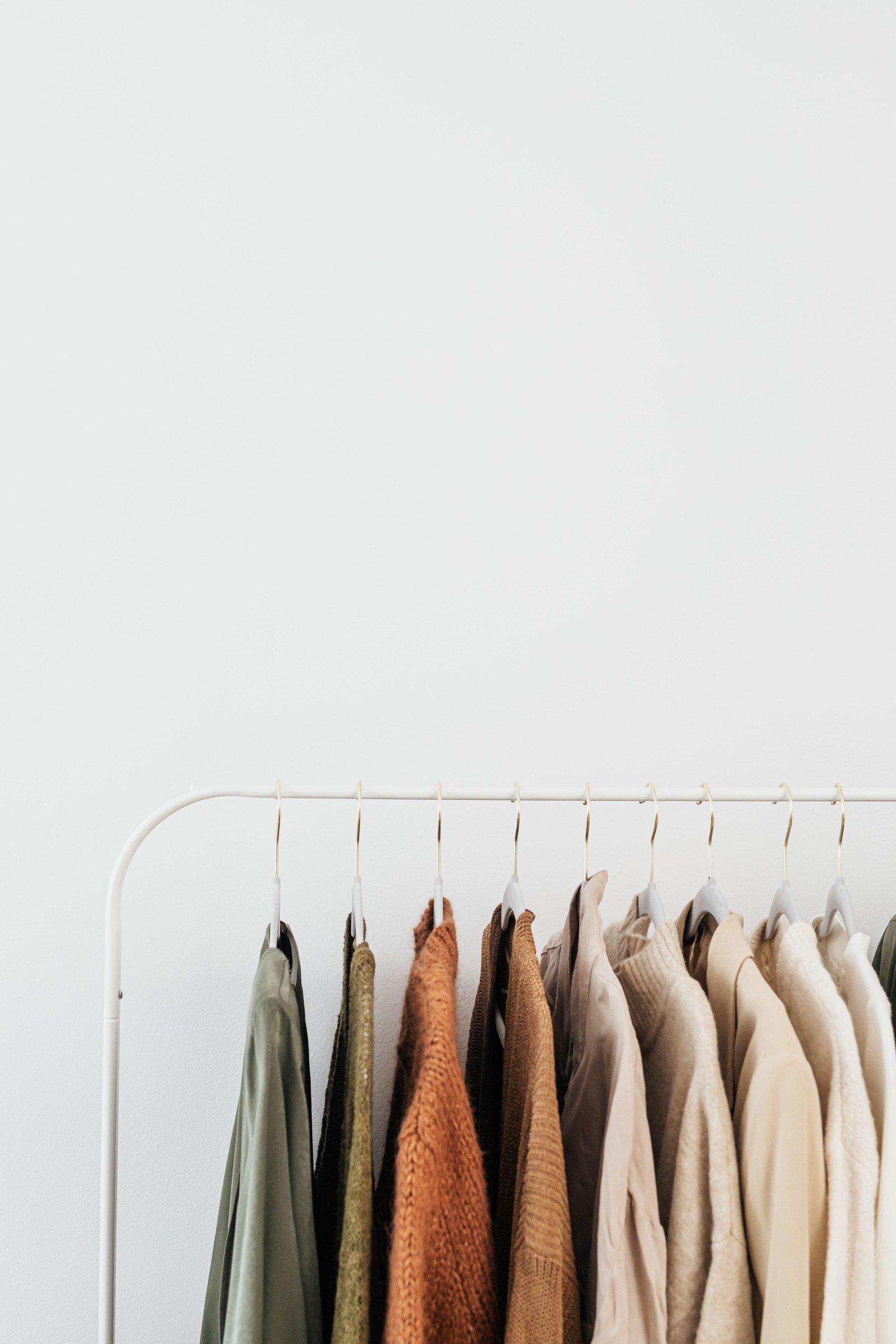
I stood in front of a full closet one January morning, late for work, wearing the same sweater I had worn twice that week, and I finally admitted the truth. In truth, I did not have a clothing problem. I had a decision problem. My closet was packed, yet almost nothing in it worked together, and every morning started with frustration instead of confidence. That was the week I tried a capsule wardrobe, and it changed far more than my outfits. It changed my mornings, my spending and the way I feel walking out the door.
What is a capsule wardrobe?
A capsule wardrobe is a small, carefully chosen set of clothes where nearly every piece works with nearly every other piece. Instead of chasing trends or filling gaps with impulse buys, you keep a limited set of versatile items that suit your life, your climate and your taste. It is less about a magic number and more about making every piece earn its place.
How many pieces should be in a capsule wardrobe?
There is no single official number, and anyone who tells you otherwise is selling certainty the system does not have. Many people use 30 to 40 pieces per season, including shoes and outerwear, while others aim for 25 to 35. The honest answer is that your number should fit your week. A teacher who is on their feet all day, a parent doing school runs in February and someone working from home will not need the same set, and that is fine. Pick a number, try it for a season, then adjust it. The aim is fewer decisions, not a stricter rule.
A smaller closet did not give me fewer outfits. It gave me more outfits I actually wanted to wear.
How do I build a capsule wardrobe from clothes I already own?
Start with what you own, not with a shopping cart. That order matters, and it is the step most people skip. Do the audit first, wear what you have, and let the gaps show themselves.
- Watch what you really wear. For about two weeks, notice which pieces you reach for and which ones you pass over. The reached-for pile is your real wardrobe.
- Empty and sort the closet. I made four piles: love and wear often, useful but rarely worn, unsure, and ready to let go. The unsure pile is where the work happens.
- Box the unsure pile. Guides suggest boxing undecided items for 30 days to 3 months. If you open the box, the item stays. If you never miss it, it goes.
- Build outfits, not items. Lay pieces out and count how many complete outfits you can make. If a top only works with one bottom, it is probably not earning its place.
- Write a gap list. Only after the audit did I allow myself a short list of true gaps. Mine was a warm layer that went with everything and boots that handled slush.
- Buy slowly and on purpose. Each gap item had to match at least 3 pieces I already owned, fit my colour palette and survive a week of thinking before I bought it.
This slower process reminded me of the patience I wrote about when downsizing a home in Canada. A rushed clear-out costs more than it saves, so the same slow approach helped here.

What are the essential pieces in a capsule wardrobe?
Essentials depend on your climate and your week, but a Canadian winter version usually rests on a few workhorses: warm layers, bottoms that fit well, boots that handle snow and a coat that actually keeps you warm. Choose pieces that can be layered and mixed, so one item can serve three outfits instead of one.
- Outerwear: one serious winter coat, one lighter jacket for milder days, and layers underneath that can be added or removed.
- Knits and tops: warm knits in neutral colours, plus tops that layer without bulk.
- Bottoms: trousers and jeans that fit well and work with every top in the set.
- Shoes and boots: winter boots that handle snow, one pair for work, and one pair for everything else.
- One or two dresses or flexible outfits for evenings and events, if your life calls for them.
- Accessories: a warm scarf and gloves that match the whole palette.
What colours should the set be based on?
The palette rule most guides agree on is simple: choose 2 to 3 neutrals and add 1 to 2 accent colours. In my case, the neutrals are black, charcoal and cream, with rust and forest green as accents. Because everything shares a palette, almost any top works with almost any bottom, which is what makes getting dressed fast.
How much does it cost, and can I build one on a budget?
It can cost almost nothing at first, because the first version comes from your own closet. When you stop buying duplicates and impulse pieces, the savings add up quickly. The most useful habit I kept was the 30-day pause: before buying anything new, I waited 30 days to see whether I still wanted it. Most of the time, I did not.
As a budget proof point, one Canadian blogger whose list was checked on 17 November 2026 built a complete work capsule for Black Friday deals in Canada and the US at about $70 per item, including tax. That figure works out to roughly $2,000 for 30 pieces, which is close to the cost of a capsule built from new pieces.
Does a capsule wardrobe work for work, for winter, and for four seasons in Canada?
Yes, if you build it per season instead of pretending one set covers a Canadian year. Winter needs warmth and layers, summer needs lighter fabrics, and shoulder seasons need pieces that can be added or removed. You do not need four separate wardrobes. You need one flexible set per season, with a few pieces that carry across all four.
What is Project 333, and do shoes and coats count?
Project 333 is a challenge created by Courtney Carver: wear 33 items or fewer for 3 months. Shoes and coats count toward the 33, while underwear, sleepwear and workout gear do not. You can read the original rules at Project 333.
What surprised me most after 30 days?
Three things. First, getting dressed took minutes, not a negotiation. Second, laundry became simpler, because fewer pieces meant fewer loads and less sorting. Third, I spent less. Fewer choices at the rail meant fewer impulse buys, which helped me rebuild my budgeting for Christmas in Canada and my emergency fund in Canada, and helped me plan the cost of moving out to a first apartment in Canada. Your mornings will tell you the rest.
