


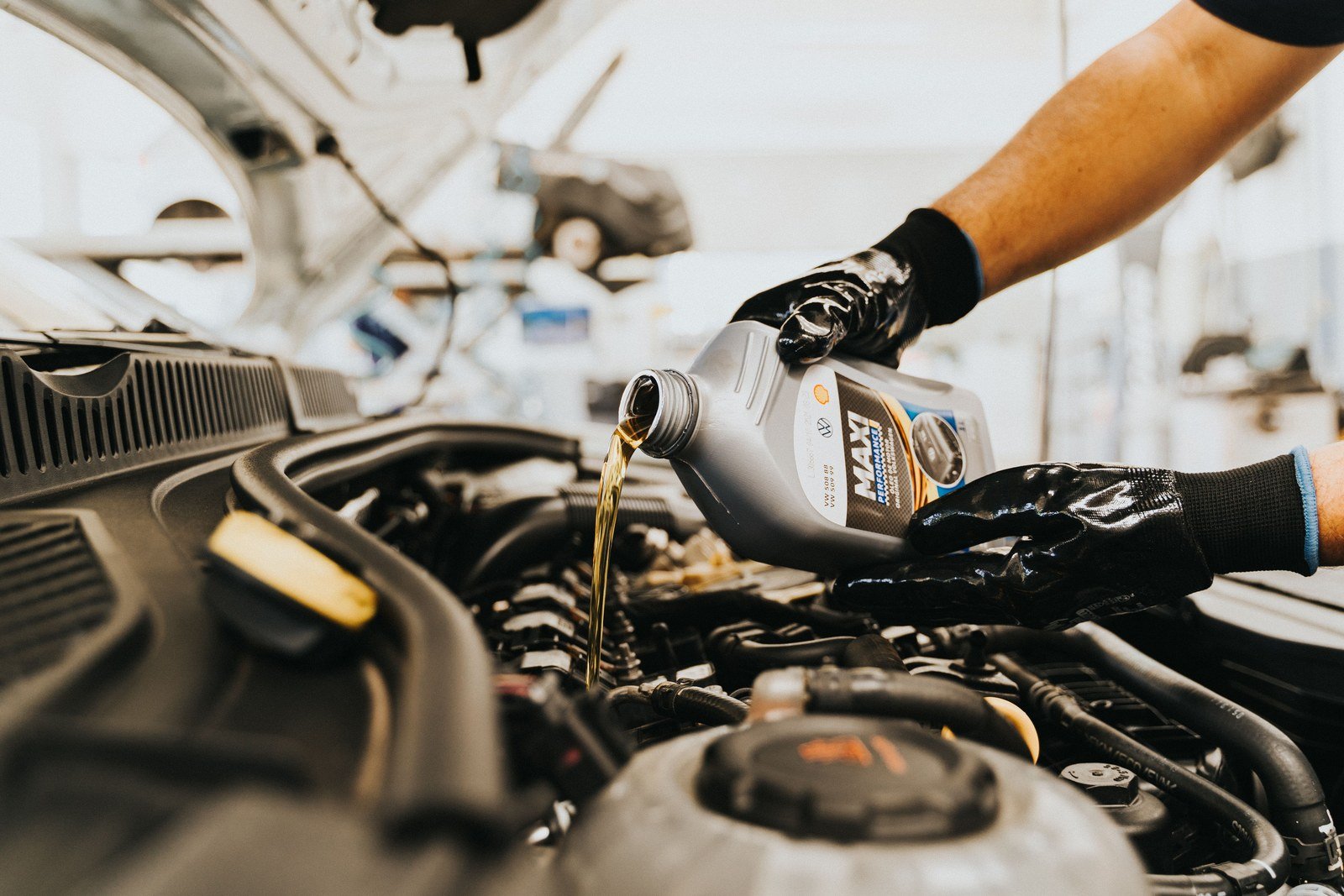
Same car. Same oil. Wildly different bills. The oil change cost Canada story is not really about oil. It is about where you go. It is about what your engine needs. Winter may have quietly moved you onto a tougher service schedule. In addition, late November is the perfect moment to sort this out, before December travel arrives. Here are the real ranges, the interval rules from the carmakers themselves and the upsells you can refuse.
How much does an oil change cost in Canada?
Start with the headline ranges, then look at why sources disagree. A guide published on 16 November 2026 by RepairPrice summarises CARFAX Canada and NAPA Canada figures. It puts a conventional oil change at about 40 dollars to 80 dollars. However, a full synthetic change runs about 90 dollars to 150 dollars before tax at a shop in Canada in 2026.
Within that, CARFAX Canada figures cited in that guide put conventional at an average of about 60 dollars. The range runs from 42 dollars to 73 dollars. Full synthetic ranges from 66 dollars to 137 dollars, with an average of about 100 dollars. NAPA Canada published Ontario ranges cited by multiple guides are lower at the bottom end. Conventional runs 35 dollars to 75 dollars. Synthetic runs 65 dollars to 125 dollars. In fact, the honest takeaway is simple. Province, vehicle and oil specification move the price a lot. So treat any single average with suspicion.
The cheapest oil change is the one done on schedule, with the right oil, at a shop whose price you checked before the car went up on the lift.
Dealer vs independent vs quick lube vs doing it yourself: who is cheapest?
This is where the money gap lives. For example, compare the sources side by side instead of trusting one quote.
- BrokerLink guide: Full synthetic at a dealer runs 100 dollars to 150 dollars. At an independent shop, it runs 80 dollars to 120 dollars. Conventional runs 70 dollars to 110 dollars at a dealer. At an independent shop, it runs 60 dollars to 90 dollars.
- Ridez 2026 survey: Dealer full synthetic runs 89 dollars to 127 dollars nationally. Independent shops run 65 dollars to 91 dollars. Quick lube chains run 84 dollars and 99 cents to 105 dollars and 99 cents. Supplies for doing it yourself run 53 dollars to 73 dollars.
- Other surveys run higher: Boommar 2026 put independent full synthetic at 95 dollars to 139 dollars in Toronto and the GTA. In Vancouver, it runs 105 dollars to 145 dollars. Dealerships run 120 dollars to 170 dollars. Tabangi put full synthetic at 90 dollars to 130 dollars Canada wide. City matters too. Ridez found the same synthetic job from 79 dollars in rural Quebec to 135 dollars in downtown Toronto.
- Doing it yourself: Full synthetic supplies run about 50 dollars to 78 dollars per the Ridez figures, plus a filter. It is only cheapest if your tools and disposal are already sorted. Used oil disposal is free at most depots, according to the RepairPrice summary.
- European and specialty cars: Expect 150 dollars to 240 dollars or more for brands such as BMW and Mercedes. Oil specification and cartridge filters cost more there, according to RepairPrice and BrokerLink guides.
What the five year math shows
Run the longer math and the gap grows. Ridez five year estimate is based on 13 changes at 20,000 kilometres per year. It put dealer servicing at about 1,430 dollars. Independent servicing came in at about 1,014 dollars. Doing it yourself came in at about 819 dollars. That is one survey estimate, not a promise. As a result, the direction is consistent across sources. That pattern is the heart of the oil change cost Canada story. It is the same ownership math I explored in how much car you can afford in Canada.

How much is a full synthetic oil change vs conventional?
Full synthetic usually costs about 30 dollars to 70 dollars more per visit than conventional, based on the ranges above. That gap is part of the oil change cost Canada question for new car owners. In return, it flows better in deep cold. It also supports longer intervals in many engines. However, many newer engines require full synthetic with a specific grade such as 0W 20. So check your manual before choosing on price alone. Putting conventional oil into an engine that specifies synthetic is a false saving.
How often should you change your oil in Canada, in kilometres and in months?
Forget the old 3,000 mile rule. Consumer Reports updated its guidance in September 2026. That update was cited in the RepairPrice guide. The report says many makers now specify 7,500 to 10,000 miles, and it calls that old rule outdated. But Canadian schedules are their own story. Here is what the carmakers Canadian guidance says, as summarised in November 2026 guides.
What each carmaker says
- Mazda Canada: Canada follows the severe schedule, every 8,000 kilometres or 6 months, per the 2024 CX 5 manual.
- Toyota Canada: A service visit comes every 6 months or 8,000 kilometres. The oil change comes at the 12 month or 16,000 kilometre visit. For 0W 20 engines, published guidance is about 16,000 kilometres in normal use. Under severe service, it drops to about 8,000 kilometres.
- Honda Canada: the Maintenance Minder calculates oil life. Change at the 15 percent alert, and at least once a year.
- GM Canada: the Engine Oil Life System decides. Change within 965 kilometres of the message, and at least once a year.
- Ford: the Intelligent Oil Life Monitor sets the timing, with a maximum of 1 year or 16,000 kilometres.
- Hyundai Canada: 8,000 kilometres or 6 months is already the Canadian standard for gas and hybrid models, with no separate severe table.
- Kia Canada: 13,000 kilometres or 12 months in normal use. In severe use, it is 8,000 kilometres or 6 months, as cited in the guides.
BrokerLink general guidance matches that pattern. Conventional oil runs every 5,000 to 8,000 kilometres. Full synthetic runs every 8,000 to 12,000 kilometres. Therefore, your manual beats any windshield sticker. A CBC Marketplace investigation from 2018 was cited by Preferred Mechanic. It found 4 of 6 GTA dealers advised changing oil more often than the manual required.
Does Canadian winter and short trips mean I need oil changes more often?
Often, yes. Carmakers define severe service as short trips under about 8 kilometres. It also covers extreme cold, stop and go driving, long idling and towing. That is a normal Canadian winter week from November to March. In fact, short cold trips never let the engine fully warm up. As a result, moisture builds up in the oil faster. If most of your driving is short winter trips, plan on the severe schedule. That is roughly half the normal interval for many brands. Pair that with your other winter prep, from winter tires in Canada to the fixes in my car will not start in cold weather.
Does getting an oil change at an independent shop void my warranty in Canada?
General information only, not legal advice. Using a licensed independent shop does not by itself void a Canadian factory warranty. That holds provided the shop uses oil and a filter that meet the maker specification. It must also follow the schedule and give you itemised receipts. Keep every receipt with the date and the odometer reading. Note the oil brand and viscosity and the filter part number. Guidance from the Competition Bureau of Canada, as cited by Ridez, RepairPrice and CanadaAutos, supports that position. In short, keep receipts with the records you would want for a long drive. That is the kind of planning covered in the best and worst times to drive.
Why did my oil change cost more than quoted?
- Oil quantity and grade: engines needing more oil, or a costlier specification, raise the bill beyond the advertised base price.
- Filter upgrades and shop supplies fees: small line items appear fast. Ask for the full price before work starts.
- Fluid top ups and inspections: a standard change usually includes a new filter, an inspection and fluid top ups. It takes roughly 30 to 60 minutes in most shops. Extras beyond that should be your choice, not a surprise.
- Upsells: engine flushes, additives and early air filters are common offers. Ask what the manual requires and when. If it is not due, it can wait.
- Electric drivers, note the contrast: if you are comparing running costs across fuel types, my breakdown of electric car charging cost in Canada shows the other side of the maintenance story.
Bottom line: first, get the quote in writing, confirm the oil specification, follow the manual interval and keep receipts. That keeps the oil change cost Canada total close to the quote. Overall, keeping a buffer for these bills matters. That is exactly why an emergency fund in Canada helps, because car costs rarely ask permission before arriving.
