


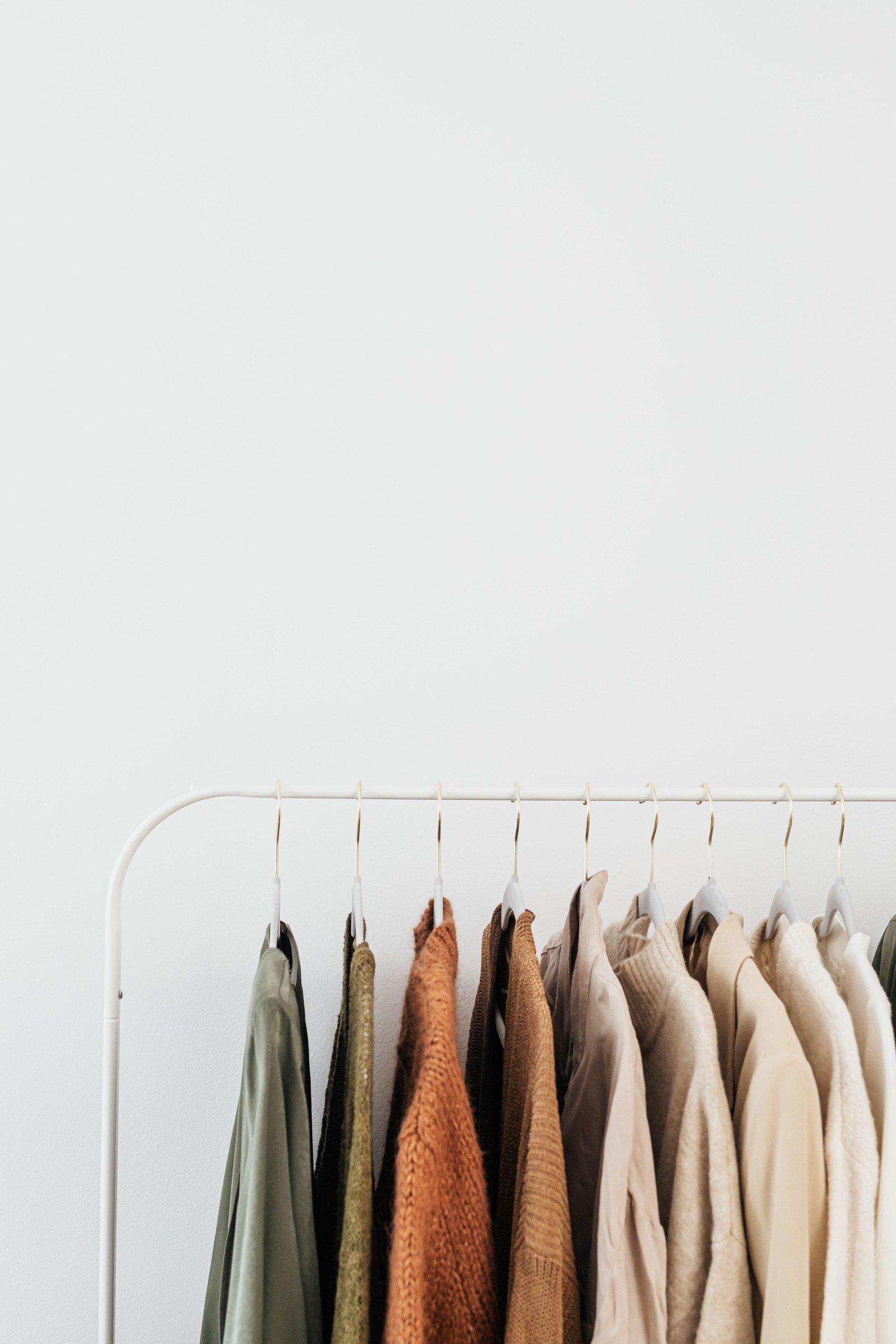
I stood in front of a full closet one January morning, late for work, wearing the same sweater I had worn twice that week, and I finally admitted the truth. In truth, I did not have a clothing problem. I had a decision problem. My closet was packed, yet almost nothing in it worked together, and every morning started with frustration instead of confidence. That was the week I tried a capsule wardrobe, and it changed far more than my outfits. It changed my mornings, my spending and the way I feel walking out the door.
What is a capsule wardrobe?
A capsule wardrobe is a small, carefully chosen set of clothes where nearly every piece works with nearly every other piece. Instead of chasing trends, you keep a limited group of items in colours that mix easily, and you build many outfits from few pieces. The term was revived by London boutique owner Susie Faux in the 1970s, Donna Karan made it famous in 1985 with her Seven Easy Pieces, and Courtney Carver brought it back through Project 333.
How many pieces should be in a capsule wardrobe?
There is no single official number, and anyone who tells you otherwise is selling certainty the sources do not support. Guides generally land between 25 to 40 pieces per season, including shoes and outerwear, and excluding underwear, sleepwear, activewear and occasion wear. One winter guide I studied used exactly 30 pieces, broken down as 4 pieces of outerwear, 6 knits, 6 tops, 6 bottoms, 2 dresses, 4 pairs of shoes and 2 accessories. Project 333 asks for 33 items for 3 months, including shoes, outerwear and accessories. An older tradition often quoted uses 37 pieces. I chose 30 because it felt honest for a Canadian winter and small enough to force real choices. What matters is that every piece pairs with at least 3 others.
A smaller closet did not give me fewer outfits. It gave me more outfits I actually wanted to wear.
How do I build a capsule wardrobe from clothes I already own?
Start with what you own, not with a shopping cart. That order matters, and it is the step most people skip. Here is the order that worked for me.
- Watch what you really wear. For about two weeks, notice which pieces you reach for on work days, errands, evenings and events. Your real life, not your imagined life, should shape the list.
- Empty and sort the closet. I made four piles: love and wear often, useful but rarely worn, unsure, and ready to leave. Be honest about fit, comfort and condition.
- Box the unsure pile. Guides suggest boxing undecided items for 30 days to 3 months. If you never open the box, those pieces were never essentials.
- Build outfits, not items. Lay pieces out and count how many complete outfits you can make. A top that only works with one bottom is a warning sign.
- Write a gap list. Only after the audit did I allow myself a short list of true gaps, such as one warm layer that worked with everything.
- Buy slowly and on purpose. Each gap item had to match at least 3 pieces I already owned before it came home.
This slower process reminded me of the patience I wrote about when downsizing a home in Canada, where sorting what you already have always comes before buying anything new.
What are the essential pieces in a capsule wardrobe?
Essentials depend on your climate and your week, but a Canadian winter version usually rests on a steady base.
- Outerwear: one serious winter coat, one lighter jacket for milder days, and layers that fit under both.
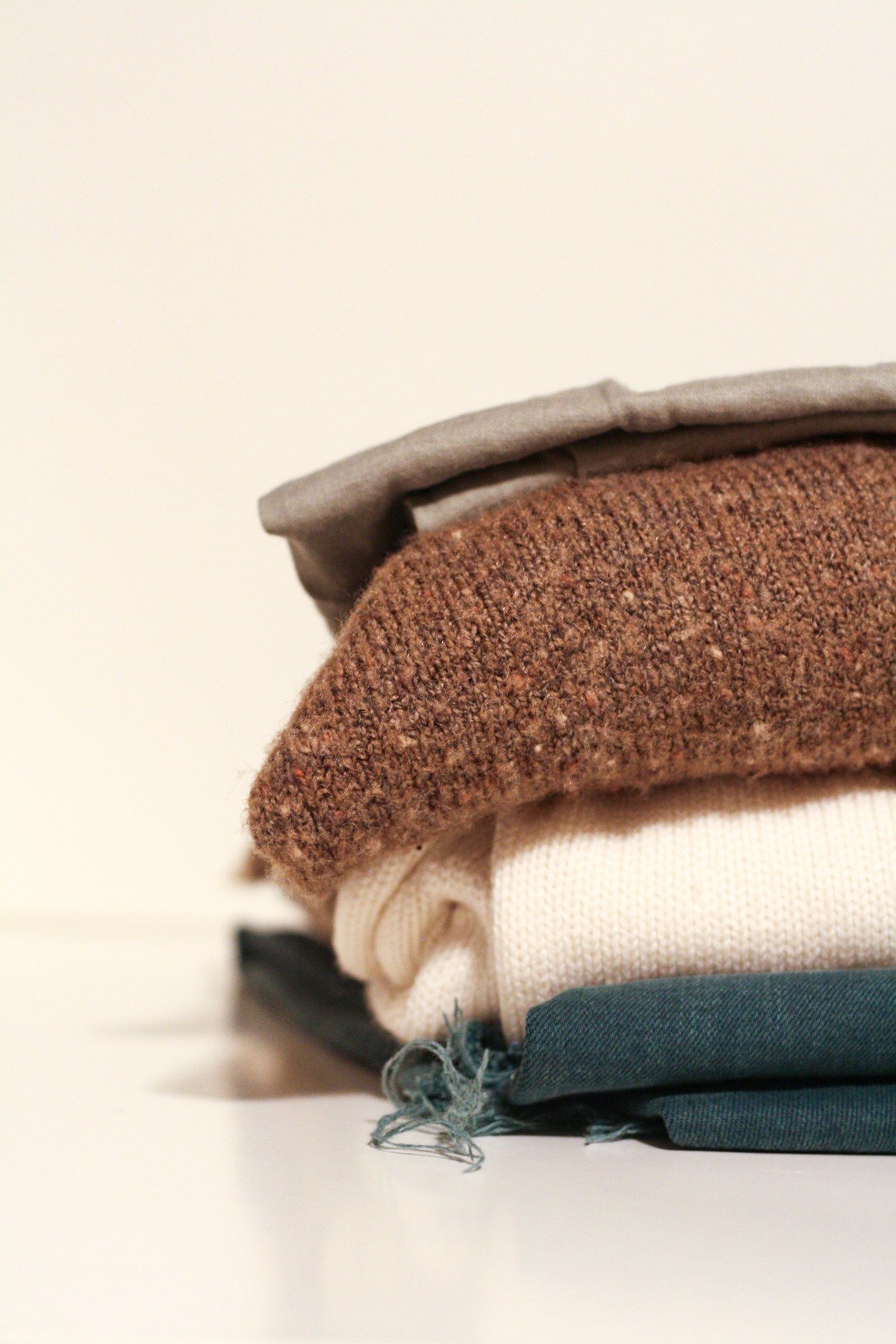
- Knits and tops: warm knits in neutral colours, plus tops that layer without bulk.
- Bottoms: trousers and jeans that fit well and work with every top in the set.
- Shoes and boots: winter boots that handle snow, one pair for work, and one pair for walking.
- One or two dresses or flexible outfits for evenings and events, if your life calls for them.
- Accessories: a warm scarf and gloves that match the whole palette.
What colours should the set be based on?
The palette rule most guides agree on is simple: choose 2 to 3 neutrals and add 1 to 2 accent colours. My neutrals became charcoal, navy and warm grey, with plum as a winter accent, a colour several winter 2026 guides highlighted in the plum and burgundy family. Neutrals do the heavy lifting because they pair with everything. Accents keep the set from feeling dull. Before you buy any accent piece, hold it against your neutrals. If it only sings with one item, leave it in the store.
How much does it cost and can I build one on a budget?
It can cost almost nothing at first, because the first version comes from your own closet. When you do buy, think in cost per wear instead of price tag alone. One guide uses this example: a coat costing 150 dollars and worn 100 times costs 1 dollar and 50 cents per wear, while a cheap item worn only a few times can cost more per wear.
As a budget proof point, one Canadian blogger whose list was checked on 17 November 2026 built a 25 piece winter capsule for 496 dollars and 72 cents in total, with the most expensive piece at 50 dollars and an average of 19 dollars and 87 cents per piece, dropping to about 422 dollars if a coat and boots were already owned. That is one person list, not a market average, but it shows the scale is realistic. Second hand shopping helps too. Statistics Canada noted 3,021 used merchandise locations across Canada in June 2024, so filling a gap second hand is a real option in most cities.
Does a capsule wardrobe work for work, for winter and for four seasons in Canada?
Yes, if you build it per season instead of pretending one set covers a Canadian year. Winter needs coats and boots counted in the total, plus layers for deep cold. Summer can be the smallest set of all. Work is where the system shines, because neutrals with rotating accents look polished all week without anyone noticing repetition. During Black Friday season, my gap list was my shield. The deals in roundups such as Black Friday deals in Canada and the US are tempting, but my rule was strict: if it was not on the gap list, it was clutter with a discount. That same discipline shapes how I approach budgeting for Christmas in Canada.
What is Project 333 and do shoes and coats count?
Project 333 is a challenge created by Courtney Carver: wear 33 items or fewer for 3 months. Shoes, outerwear and accessories count toward the 33, while underwear, sleepwear and workout clothes do not. Other approaches count differently, which is why totals online range so widely. Pick one method, write it down and stay consistent. I keep a one in and one out rule now: when a new piece arrives, an old piece leaves. It also connects to a bigger Canadian picture. A summary citing a 2023 University of Waterloo study reported that Canadians dispose of nearly 500 million kilograms of fabric per year, about 37 kilograms per person, with about 85 percent going to landfill, and that Canadians buy 60 percent more clothing than 20 years ago while keeping it half as long. My small closet will not fix that alone, but it changed my part in it.
What surprised me most after 30 days?
Three things. First, getting dressed took minutes, not a negotiation. Second, laundry became simpler because everything matched. Third, I stopped shopping for entertainment, and the savings quietly funded other goals, the same way small steady choices build an emergency fund in Canada. People often say we wear roughly 20 percent of our closets regularly, a widely repeated industry claim rather than an official statistic, and my own audit felt close to that. If you are setting up a first small space, the mindset pairs well with the cost of moving out to a first apartment in Canada: start with less, choose it well and add only what your real life demands. Try the boxed pile test this week. Your mornings will tell you the rest.
