


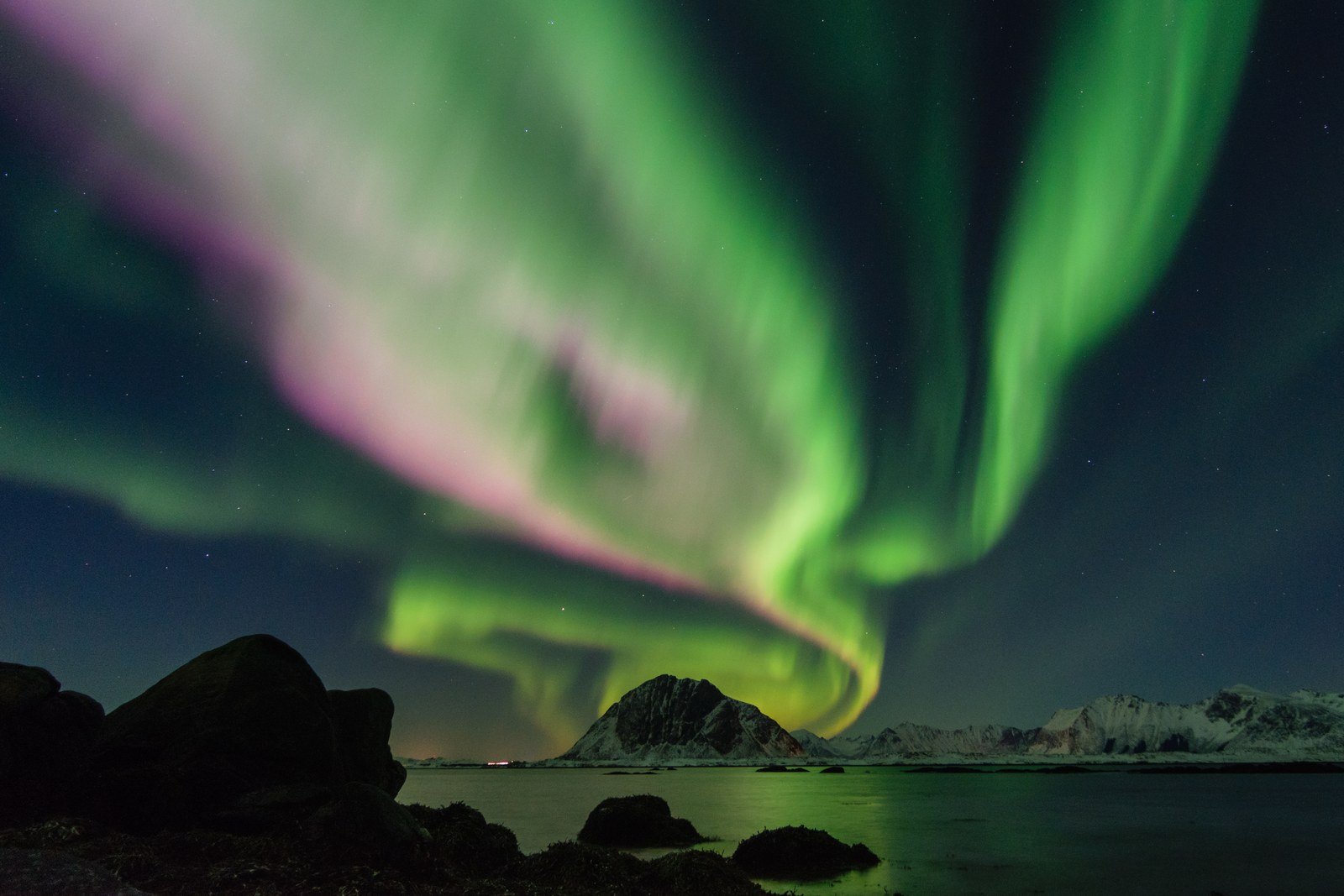
I finally saw the northern lights in Canada on a night so cold my breath froze on my scarf. I had driven for hours, I had checked the forecast three times, and I was ready to give up. Then the sky turned green, and it moved like a curtain in the wind. If you are asking about the best places to see the northern lights in Canada, start with this answer. Yellowknife is the classic pick, Whitehorse and Churchill are close behind, and Ontario has dark sky spots you can reach by car. Go between September and April, dress for real cold, and get far from city lights.
Where is the best place to see the northern lights in Canada?
The best place to see the northern lights in Canada is the place with dark skies, clear weather, and a good forecast on the night you are there. That sounds simple, and it is the whole secret. Aurora activity changes every night, so a great town on a cloudy night will show you nothing, while a small town on a clear night can show you everything. Pick a dark sky base, watch the forecast, and be ready to stay up late.
Most people picture the far north first, and they are right to do that. The aurora oval sits over northern Canada, so towns like Yellowknife, Whitehorse, and Churchill sit under it more nights than towns in the south. I learned to love that fact, because it turned a lucky guess into a real plan. Choose north if you can, choose dark if you cannot, and never choose a bright city and hope for the best.
When is the best time to see the northern lights?
The best months for the northern lights in Canada are September to April, when nights are long and dark. Winter gives you the longest nights, and that is why December to February is the peak season for many travellers. I went in late winter, and the cold was worth it, because the sky stayed dark for hours. September and March are softer picks, with milder air and still plenty of dark sky.
Time of night matters as much as the month. The lights often show best between 10 at night and 2 in the morning, so plan a late night and a slow morning after. Check the moon too. A full moon can wash out a faint show, while a new moon leaves the sky dark and the colours bright. I check the cloud forecast first, the aurora forecast second, and the moon third, in that order.
- Best months: September to April, with winter at its peak
- Best hours: 10 at night to 2 in the morning
- Best sky: clear, dark, and far from city lights
- Best moon: a new moon, or a moon low in the sky
Yellowknife, Whitehorse, and Churchill: my top three
Yellowknife is the classic answer for the northern lights in Canada. It sits under the aurora oval, it has about 240 nights a year when the lights can show, and it has tours that know the local roads and the local sky. I met travellers there who had seen the lights three nights in a row, and I believed them, because the sky was that good. If you want the highest odds, start in Yellowknife.
Whitehorse in Yukon is my second pick, with dark skies, mountain air, and a friendly town to warm up in. Churchill in Manitoba is third, and it is special for a different reason. You can watch polar bears by day and the northern lights in Canada by night, if you go in February or March. That combo is not cheap, and it is not easy to reach, but it is the trip people talk about for years.
What about Ontario and the east?
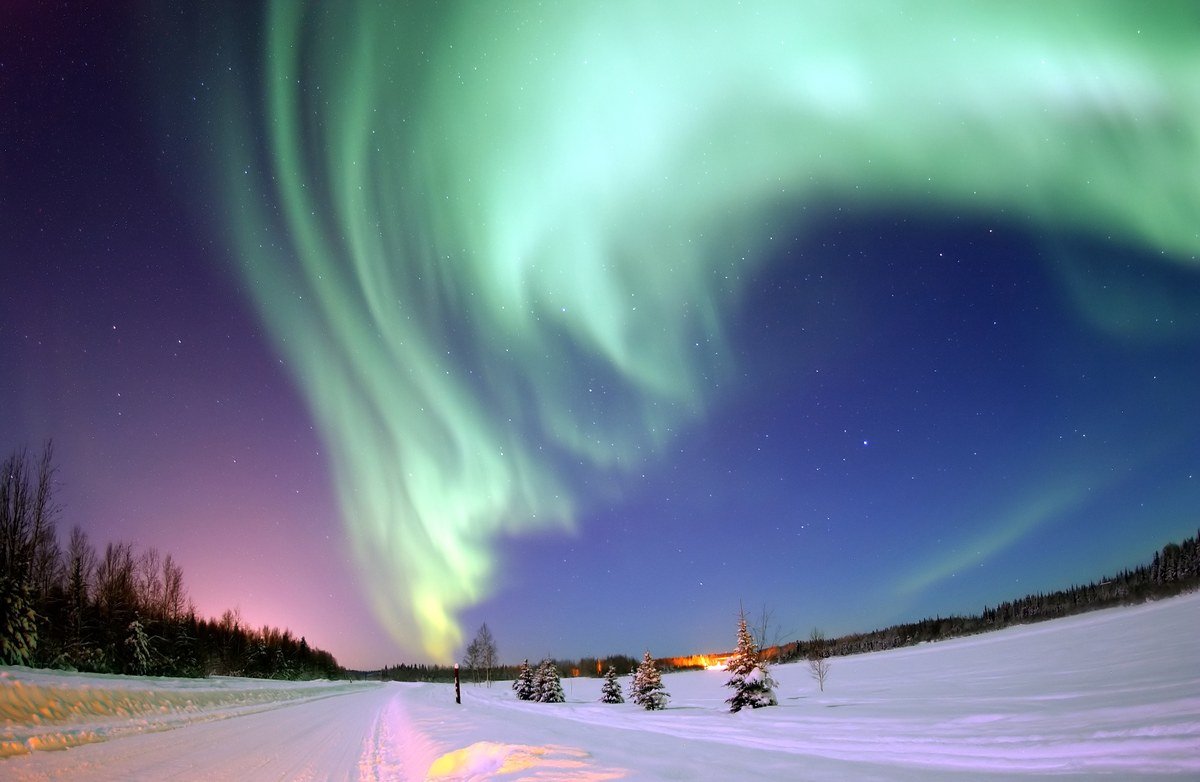
Ontario gives you the northern lights in Canada without a flight north. Killarney, Torrance Barrens, Algonquin, and Manitoulin Island all sit under dark skies, and you can drive to them from Toronto in a few hours. The lights are less frequent there than in Yellowknife, so you need patience and a strong forecast. I treat Ontario as a great first try, not a sure thing, and I love it for that reason. A short drive, a clear night, and a little luck can still give you a show.
Jasper in Alberta is another strong pick, and it is a Dark Sky Preserve, which means the town works hard to keep its lights low. I checked the forecast and the dark sky guidance on Canada.ca before I picked my dates, and that check helped me avoid a bright town on a good aurora night. If you love winter in Canada, the Ottawa Christmas markets are a bright daytime stop, while the night sky waits outside the city.
How much does a northern lights trip cost in Canada?
A northern lights trip in Canada can cost almost nothing, or it can cost thousands, and both can be right. Driving to a dark sky spot, parking, and watching the sky is free, apart from gas and food. That is my favourite way to see the lights, because the sky does not charge admission. A bus tour in Yellowknife often costs about $87 to $120 per person for a night, while a 4 day package can cost about $1,408 to $1,680. A 7 day Churchill trip can cost about $8,795, with flights and guides included.
Budget for warm clothes, a hotel, and food, because the cold will find any gap in your plan. A cheap trip that leaves you cold is not a cheap trip. I spent more on boots and a good coat than on my tour, and I have never regretted it. The northern lights in Canada are free to watch, and the warmth to watch them in comfort is the part you pay for.
What to wear and bring for a night under the sky
Dress for the northern lights in Canada like you are going to stand still for hours in deep cold, because that is what you will do. Start with a warm base layer, add a thick middle layer, and finish with a windproof coat. Wear insulated boots, warm socks, mittens, a hat, and a scarf that covers your face. Bring hand warmers, a thermos with a hot drink, and a headlamp with a red light so you do not spoil your night vision.
- Warm base layer, thick middle layer, and a windproof coat
- Insulated boots, warm socks, mittens, hat, and scarf
- Hand warmers and a thermos with a hot drink
- Phone or camera, charged, with a tripod if you have one
- Car fuel, snacks, and a plan to get home safely
Winter driving is part of the trip for many people, so check your winter tires in Canada before you leave, and check the best and worst times to drive if you are heading out on a busy weekend. Cold, snow, and dark roads need respect, and a slow drive home is better than a fast one.
The sky did not hurry for me. It waited until I stopped checking my phone, and then it danced.
Free viewing or a paid tour: which should you pick?
Free viewing wins if you have a car, a dark sky spot, and a good forecast. You choose your own time, you stay as long as you like, and you spend nothing on a guide. A paid tour wins if you are new to the area, if you do not want to drive in the dark, or if you want a guide who reads the sky and moves the group to clear weather. The northern lights in Canada do not care which way you choose, and the sky looks the same either way.
More Canadians are choosing winter travel close to home this year, and that trend shows in the way people plan. Winter travel in Canada is growing, while many Canadian snowbirds are actually going to new places instead of Florida. A one night trip to Montreal can be a warm up for a longer northern trip, with good food and a short drive home.
Northern lights questions I asked before I went
What city in Canada is best for the northern lights? Yellowknife, in the Northwest Territories, is the usual answer, because it sits under the aurora oval and has about 240 nights a year when the lights can show. Whitehorse and Churchill are strong picks too.
What is the best month to see the northern lights in Canada? Winter months give you the longest dark nights, and many travellers pick December to February. September, October, March, and April are good too, with milder air and still plenty of dark sky.
Where is the prettiest place to see the northern lights? That depends on what you love. Yellowknife has the brightest shows, Churchill adds polar bears, Jasper adds mountain air, and Ontario adds a short drive. Pick the place that fits your trip, not just the brightest sky.
Can I see the northern lights from Toronto? Sometimes, on a strong night, and only if you drive out of the city to dark skies. The city lights wash out most shows, so a short drive north makes a real difference.
I still think about that first green curtain over the snow. It did not ask for a ticket, and it did not wait for a perfect plan. It asked only that I show up, stay warm, and look up. The northern lights in Canada will do the same for you, if you give them a dark night and a little patience. Pick a town, check the forecast, dress warm, and go. The sky is waiting.
